2nd Quarter Update!
Our biggest development this quarter has been our growing partnership with the Department of Education.
Several months ago, CANVAS gave the Department of Education a royalty free license to print and distribute more than 1.7 million copies of “Message in the Sand” for K–3 learners across the country.
Last June 9, together with fellow donors and partners including Adarna House, Rex Education, Lampara Books, and The Asia Foundation, we were invited to Taytay Elementary School for a ceremonial distribution of school bags and books. It was also included complimentary advance copies of “Message in the Sand”, and we were informed that the printing of the 1.7 million copies of Message in the Sand was already underway.
For CANVAS, this is a significant milestone. Since 2005, we have donated a little over 515,000 books. With this single project, the reach of our books will grow to more than 2.2 million copies. And this is only the beginning.
We are currently working with DepEd on other book projects, including two books for young parents to help prepare their children for lifelong literacy and learning. Once completed, these books will also be printed and distributed in the millions.
Working on books that directly engage the public school system brings CANVAS closer to our vision for national development and cultural promotion, helping ensure that the stories we create continue to find their way into the hands of the children who need them most.
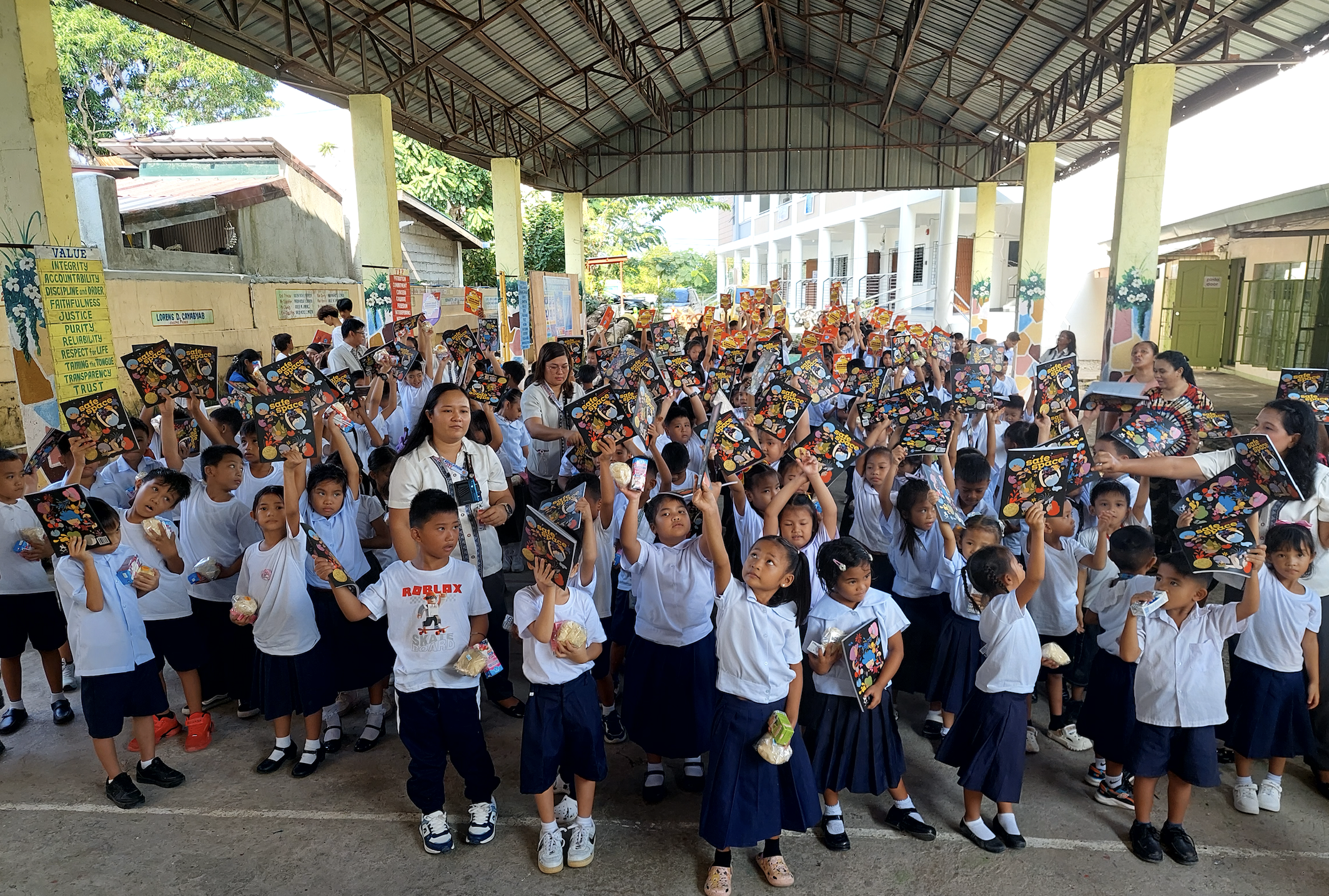
We have, of course, continued with our own bookgiving efforts. Year to date, we have given away 4,897 storybooks, including 292 titles that went to eleven libraries.
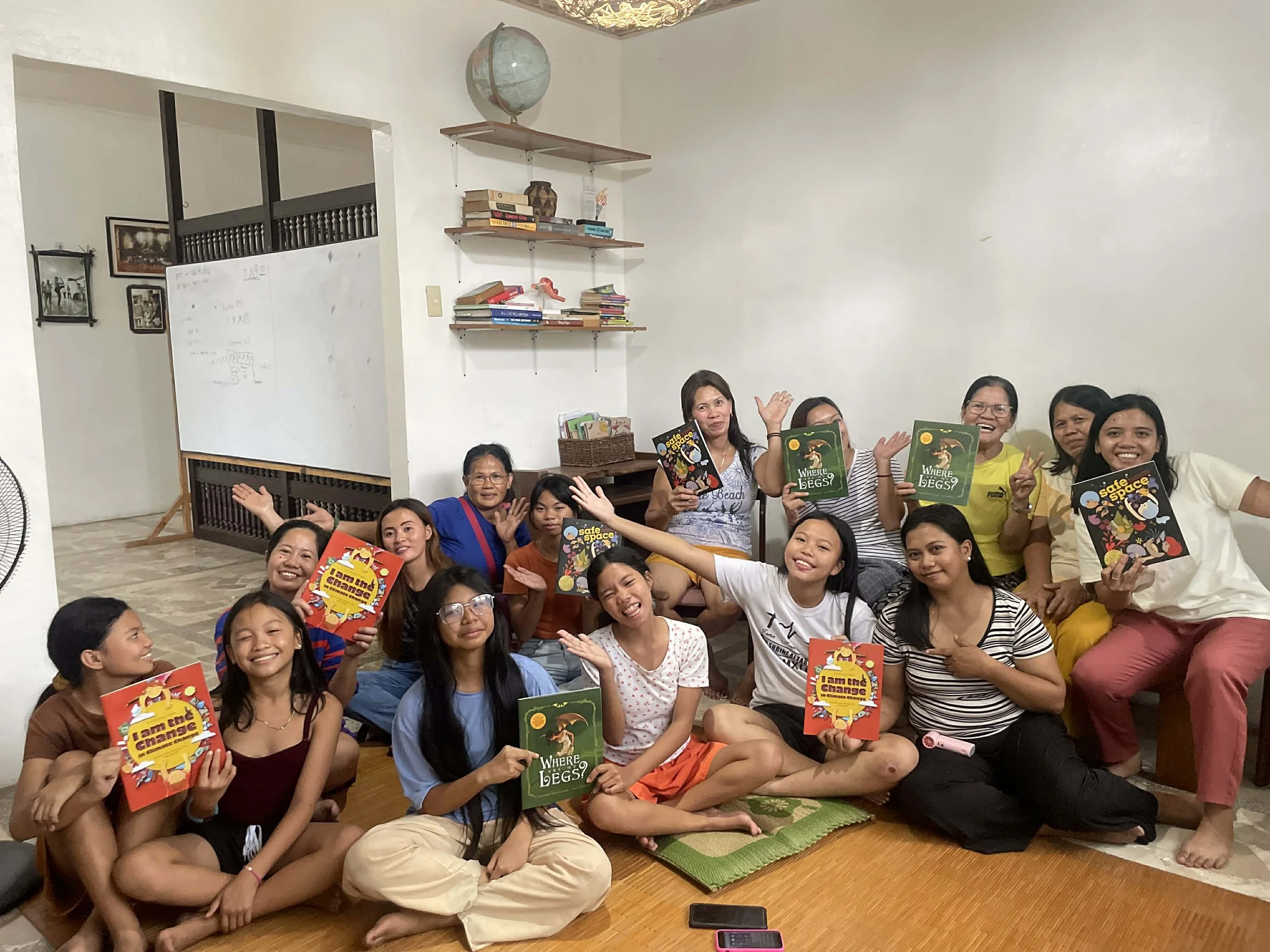
Alaya Women's Center, Pampanga
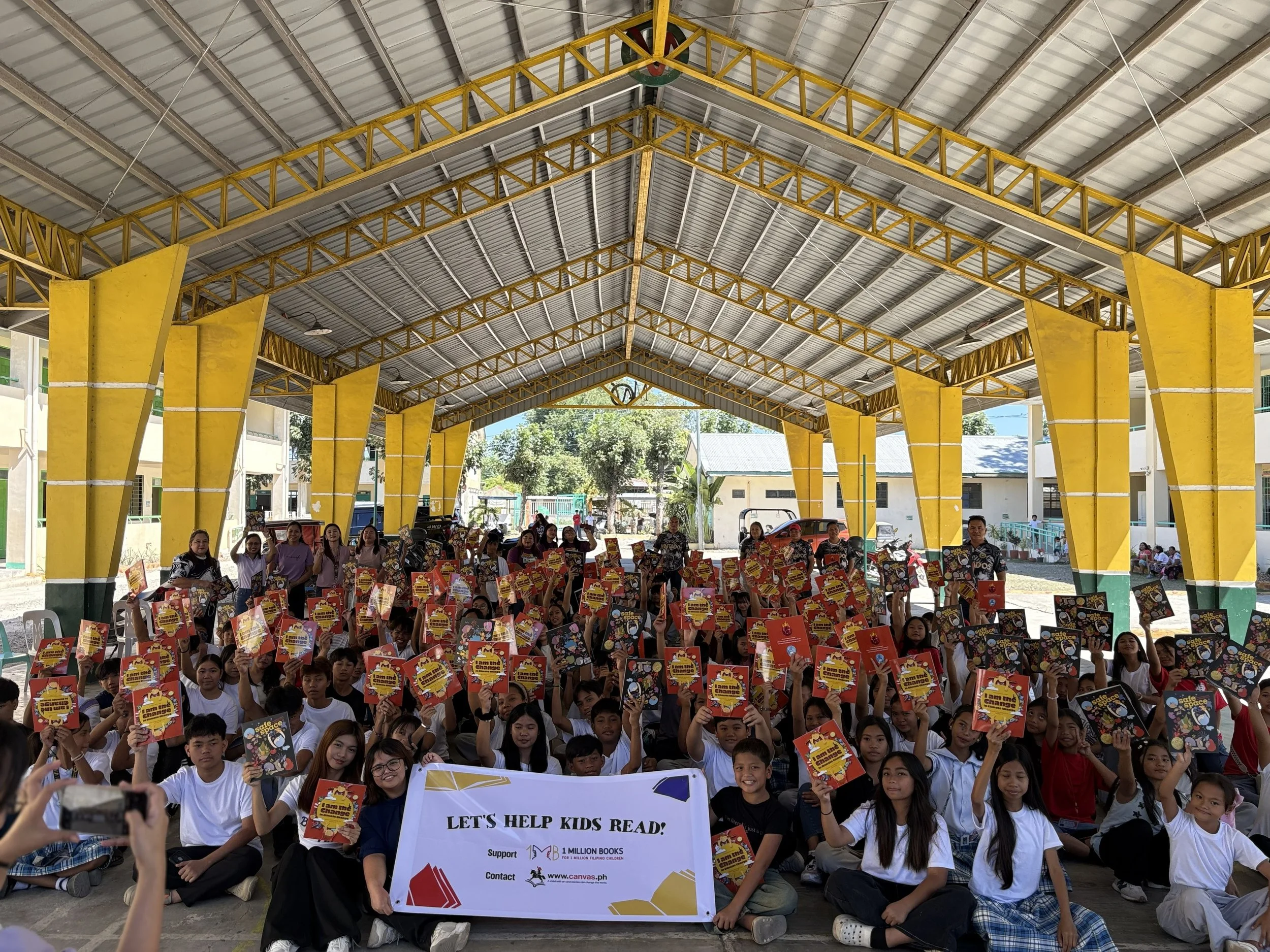
Muñoz, Nueva Ecija
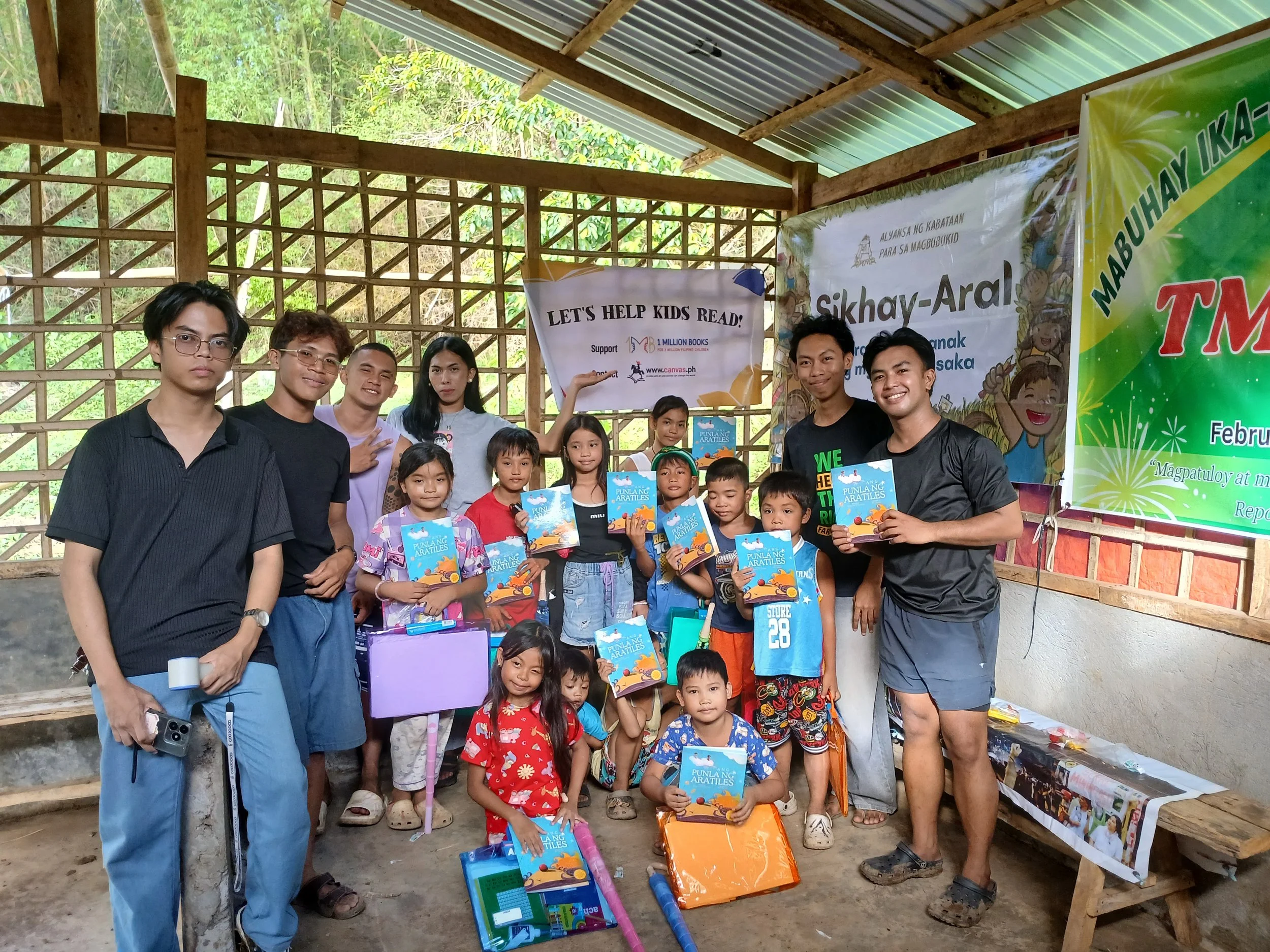
San Jose Delmonte, Bulacan
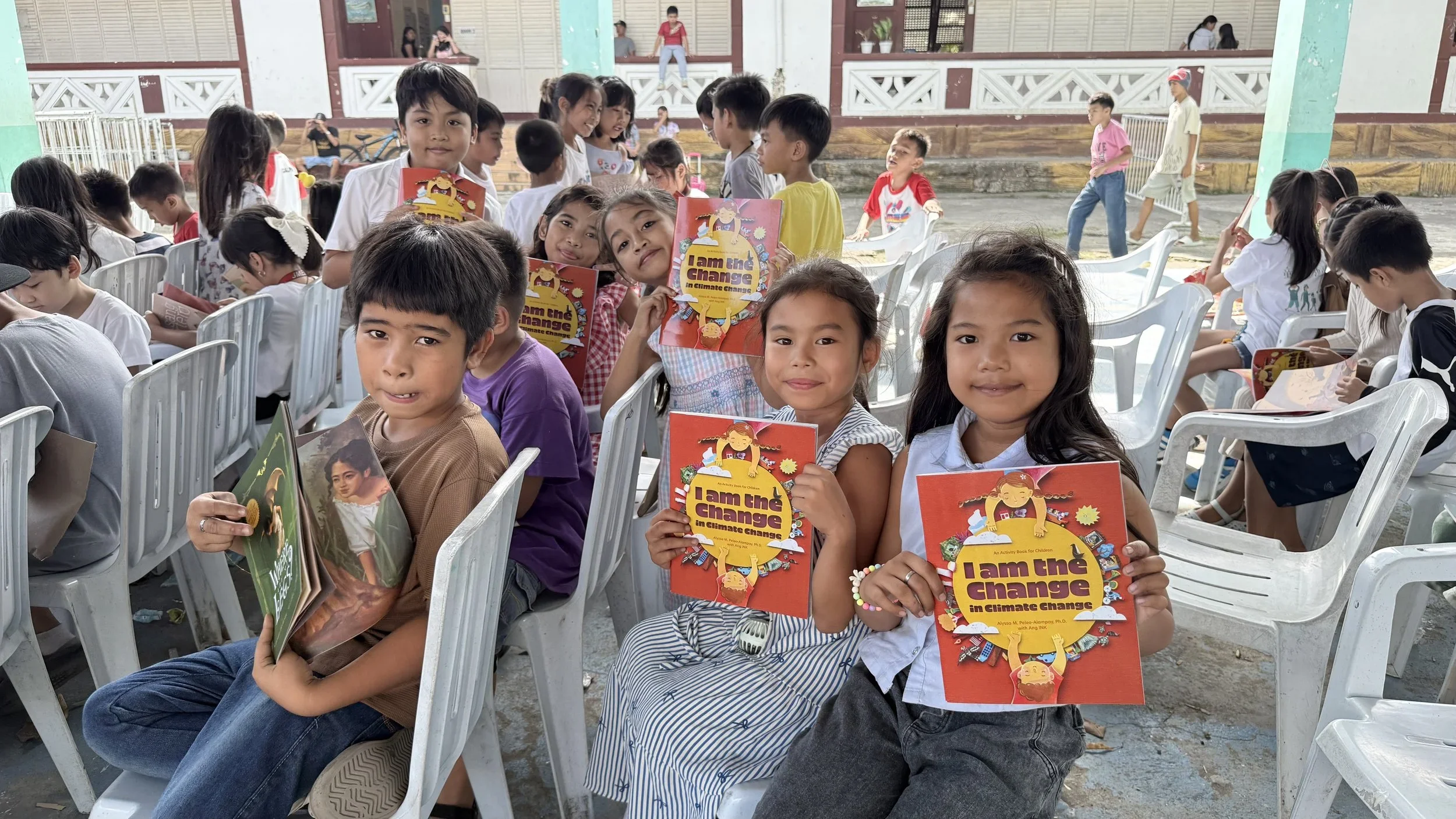
Lapuz, Iloilo
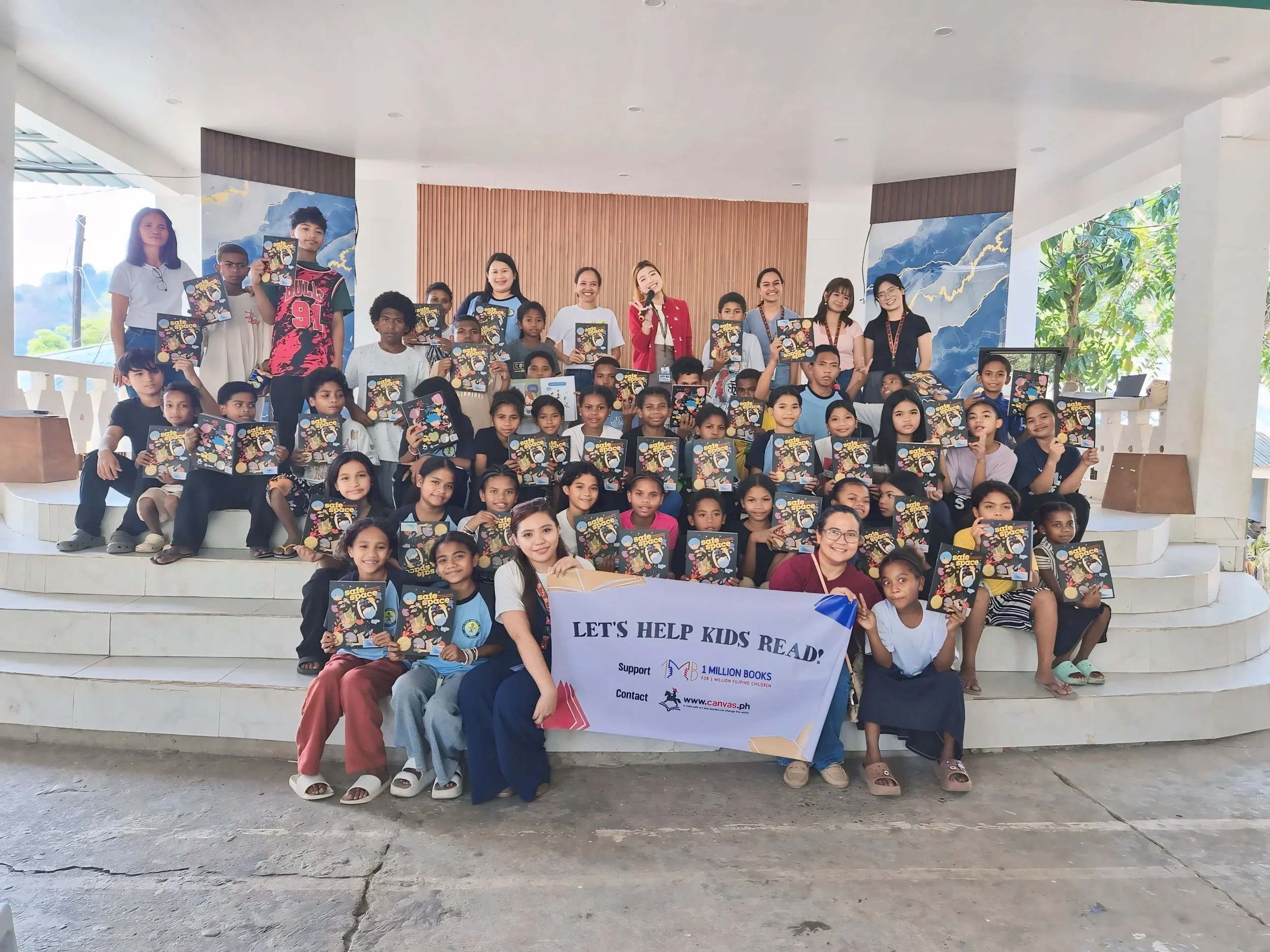
Porac, Pampanga
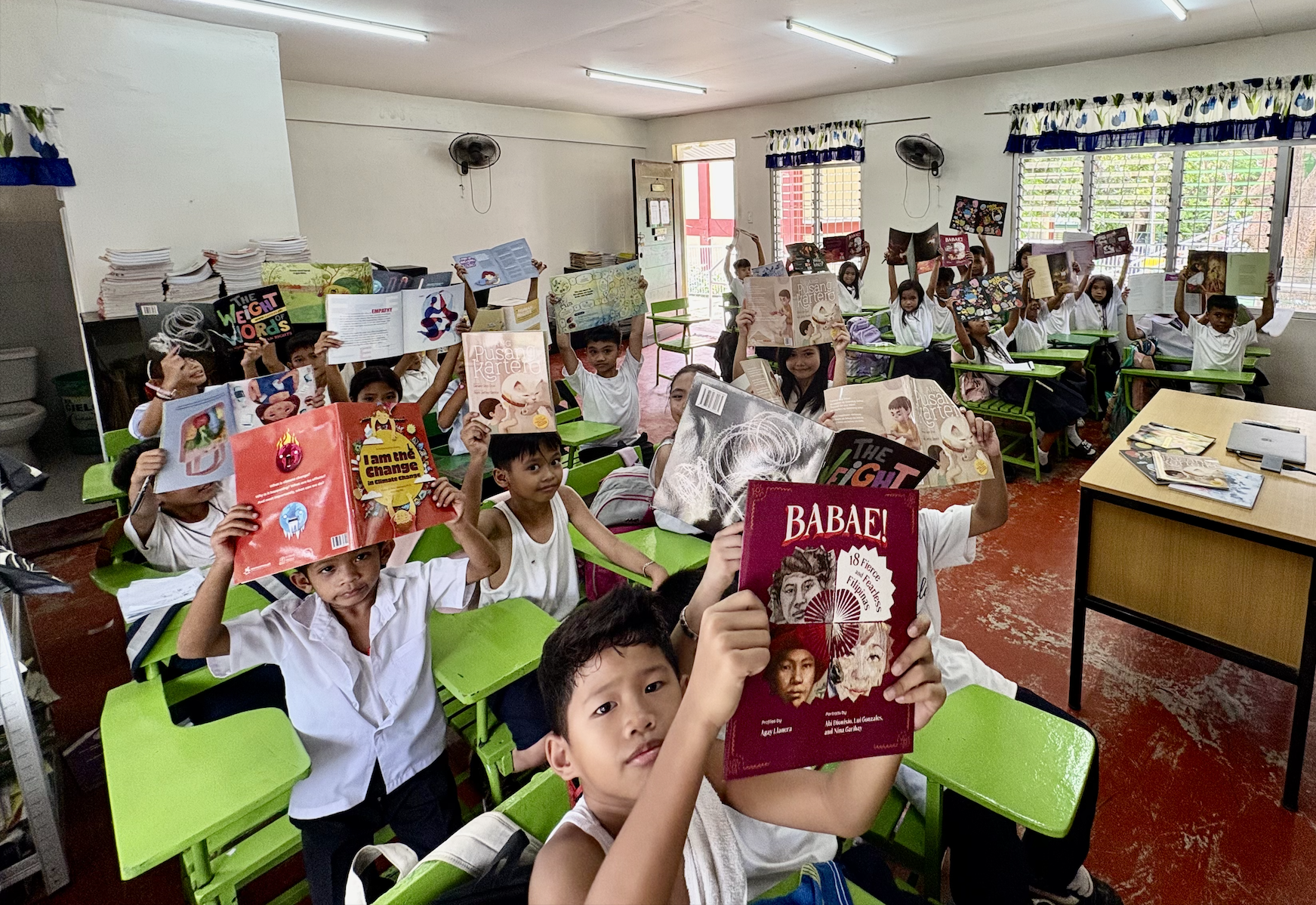
Dinalupihan, Bataan
Dagupan, Pangasinan
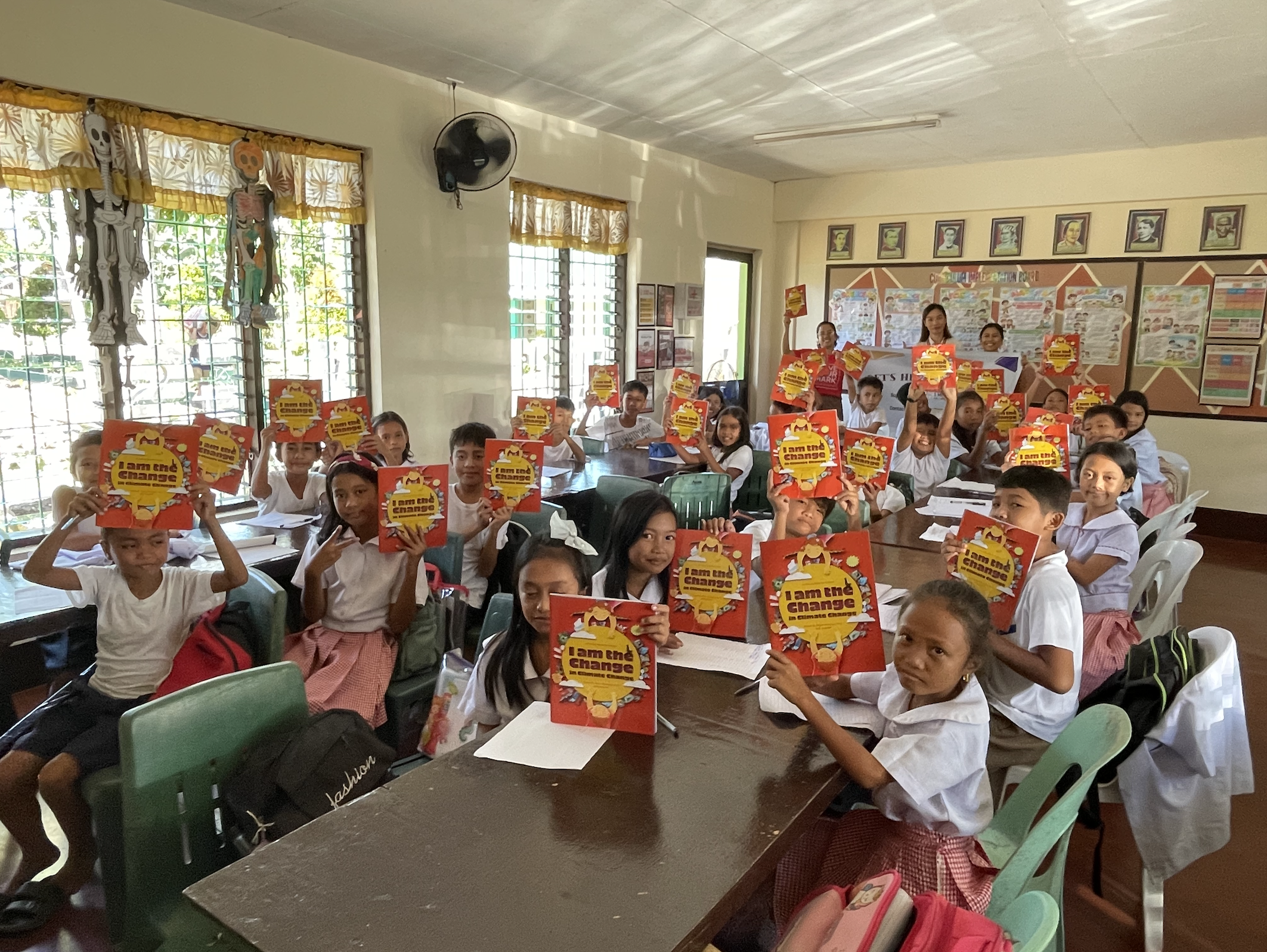
San Miguel, Leyte
We are also working on several books that are being funded by corporations, including Safe Space 2: A Kid’s Guide to A.I. and Digital Wellness for Globe Telecom, and an as-yet untitled children’s book on road safety for San Miguel Holdings Corporation and San Miguel Foundation. Both partnerships will support the publication of 3,000 titles each of the respective titles for distribution as part of CANVAS’ bookgiving mission.
Tumba-Tumba Updates
Officially Opening in February 2027!
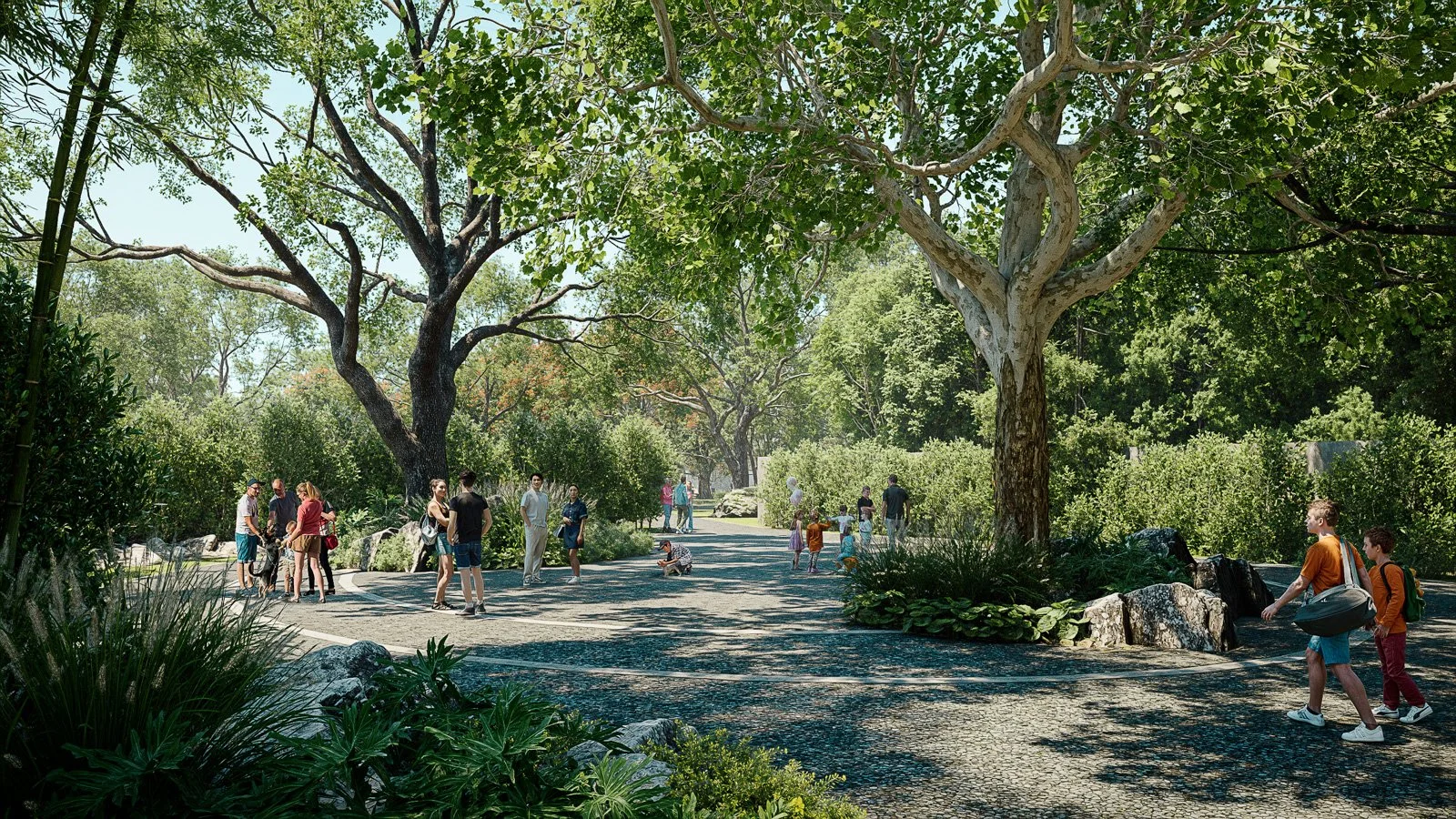
Perhaps the biggest change over the past few months has not been physical construction of Tumba-Tumba, but our thinking. Rather than waiting until every building is complete, we are now focusing on opening the museum in phases, allowing children and families to begin enjoying the space much sooner while we continue to grow it over time.
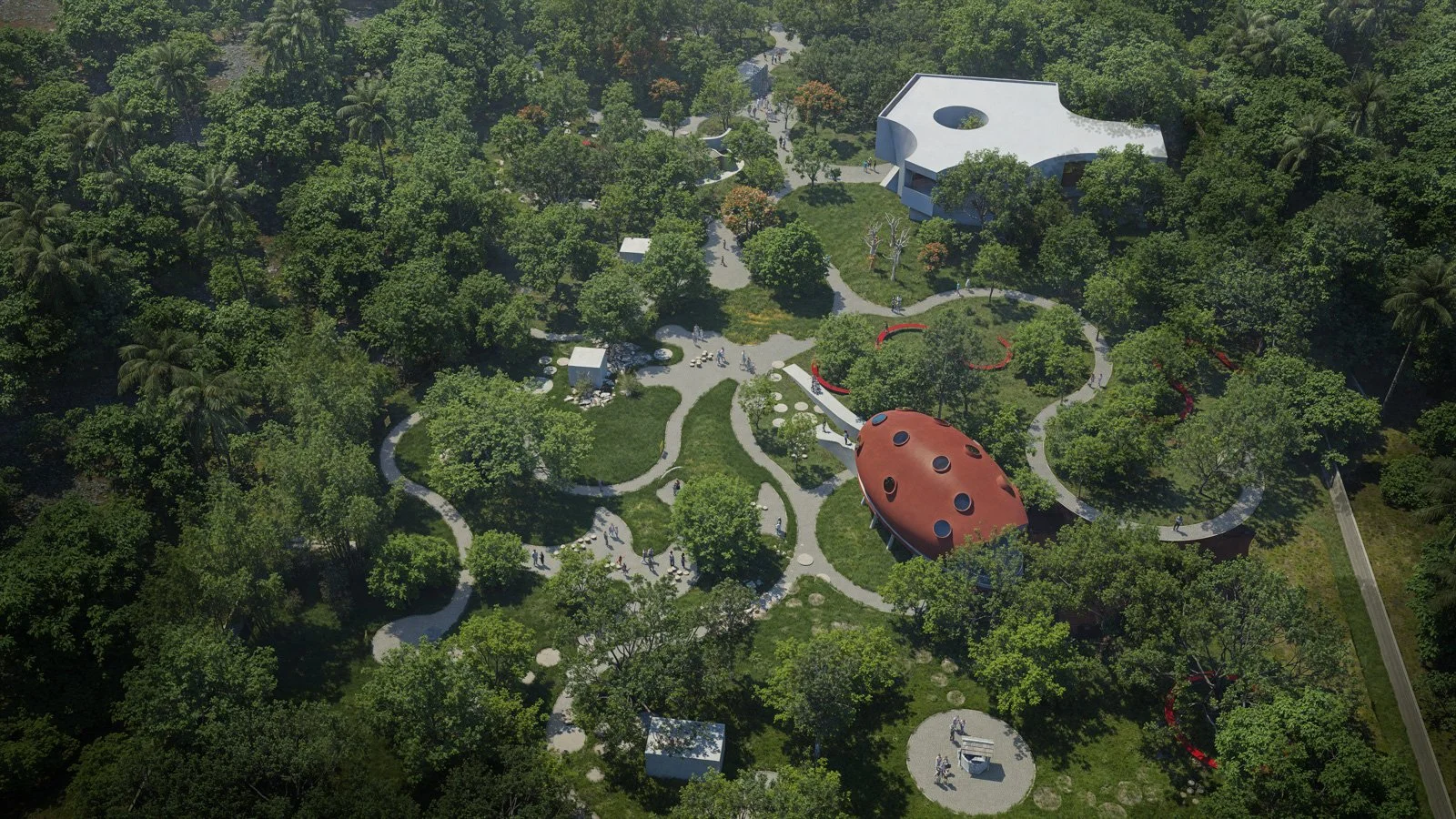
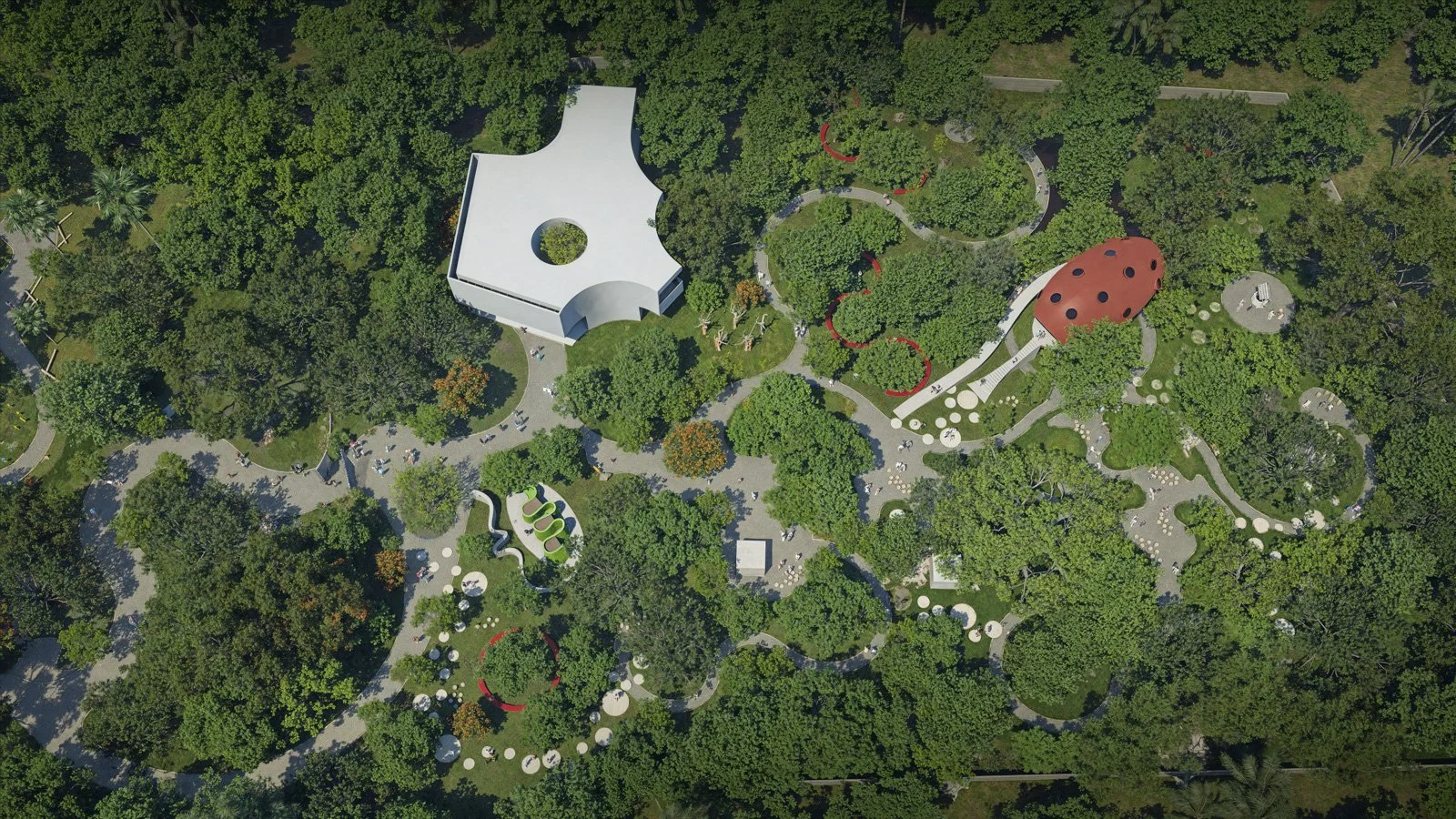
Our immediate priorities include improvements to I Am the Explorer (Leeroy New’s red spaceship-shaped exhibition space), visitor facilities, pathways, landscaping, and the overall experience for our first guests. The plan is to open Tumba-Tumba to the paying public by February 2027.
Capital Fundraising for the Main Exhibition Hall
In the meantime, we will be ramping up our capital fundraising efforts for the construction of I Am the Storyteller, the museum's main exhibition hall, which will eventually house around 200 storytelling artworks from our collection.
Our goal is to raise P60 million, and we are off to a promising start, having already secured a US$250,000 matching grant (a little over P15 million, or about 25% of our target).
If you have ideas, introductions, or would like to become more involved in this effort, I would love to hear from you.
We are looking particularly for partners, legacy donors, and individuals or organizations interested in making a transformational gift. We are also open to exploring naming opportunities for major contributions.
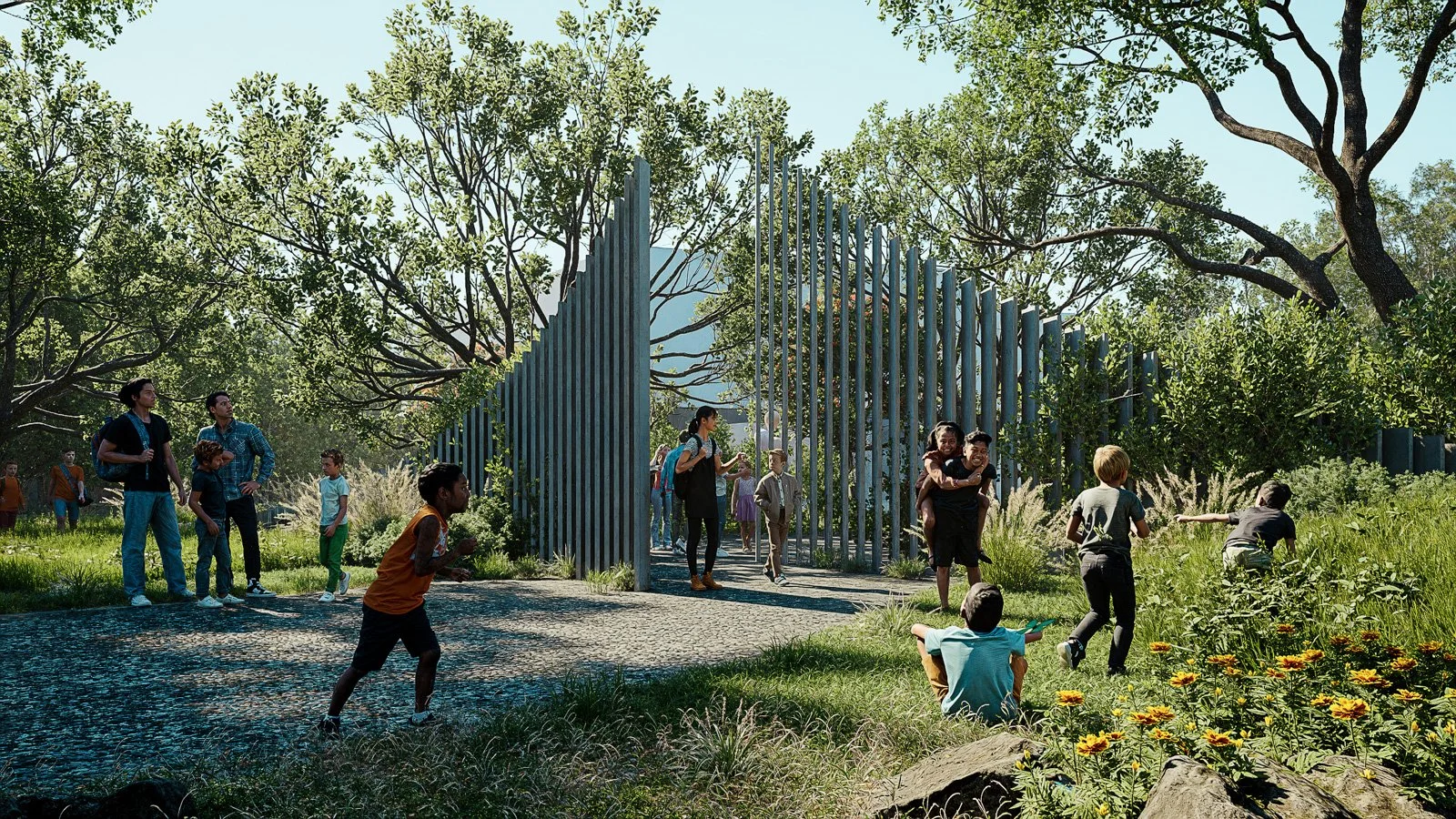
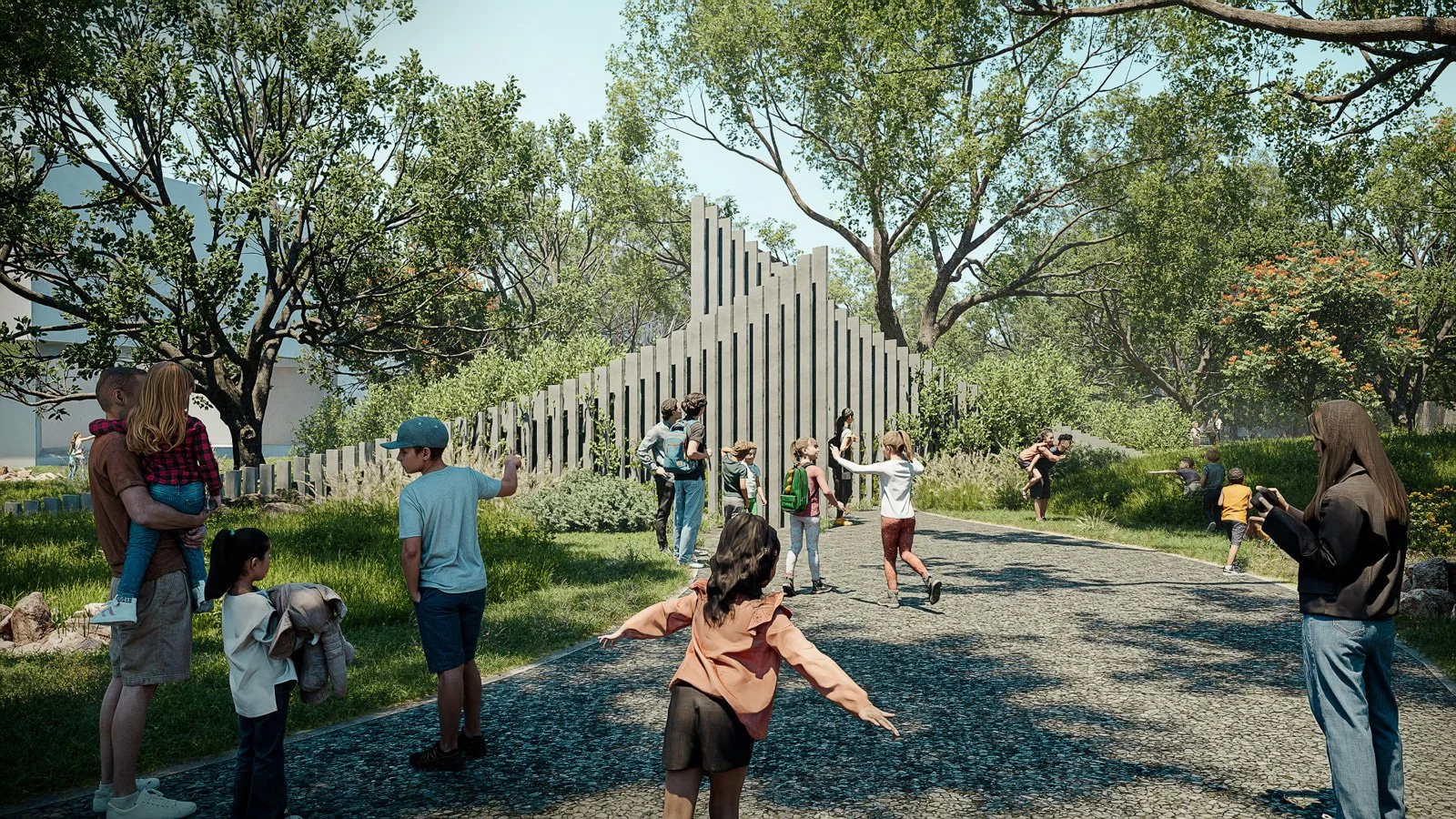
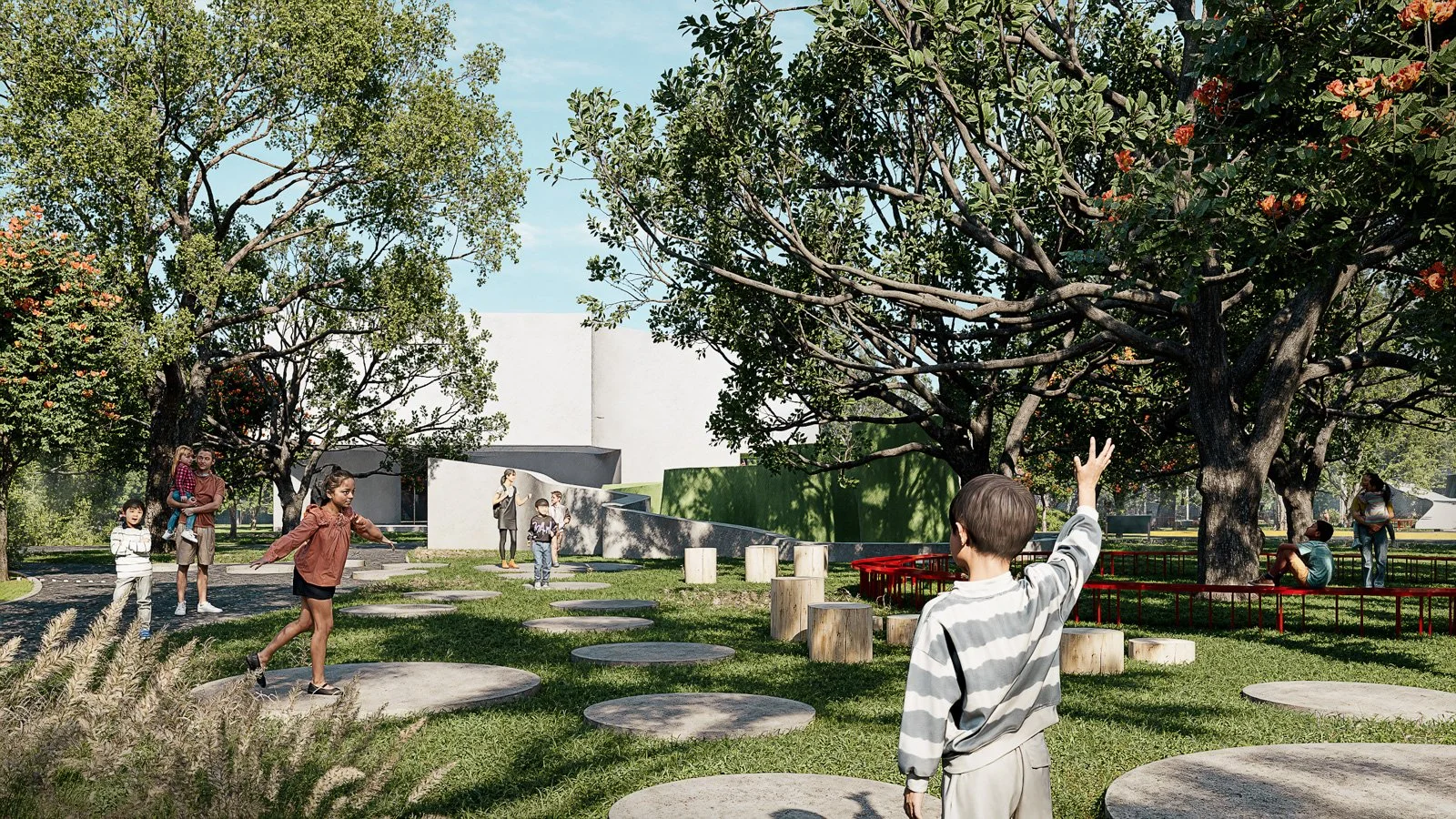
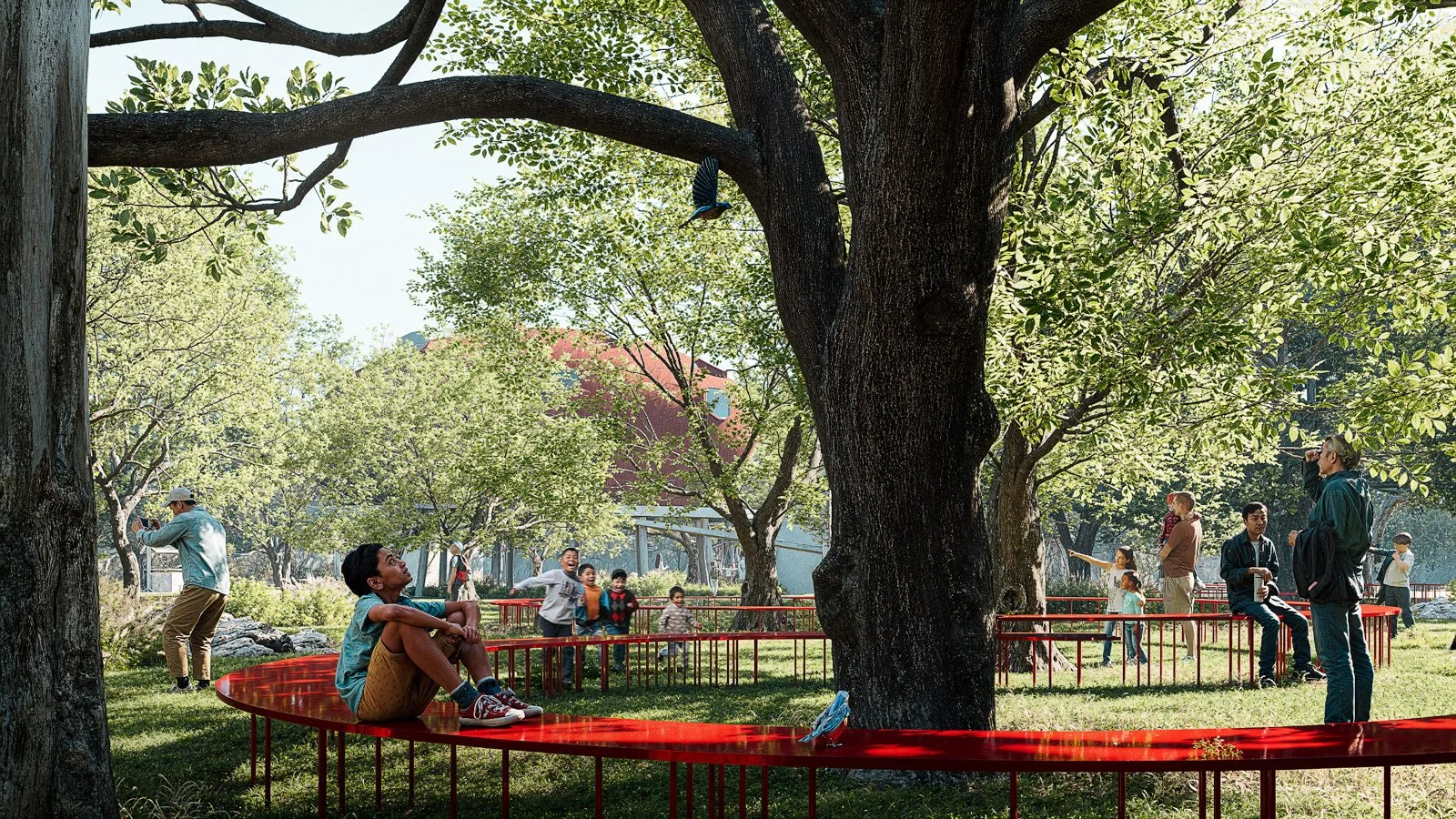
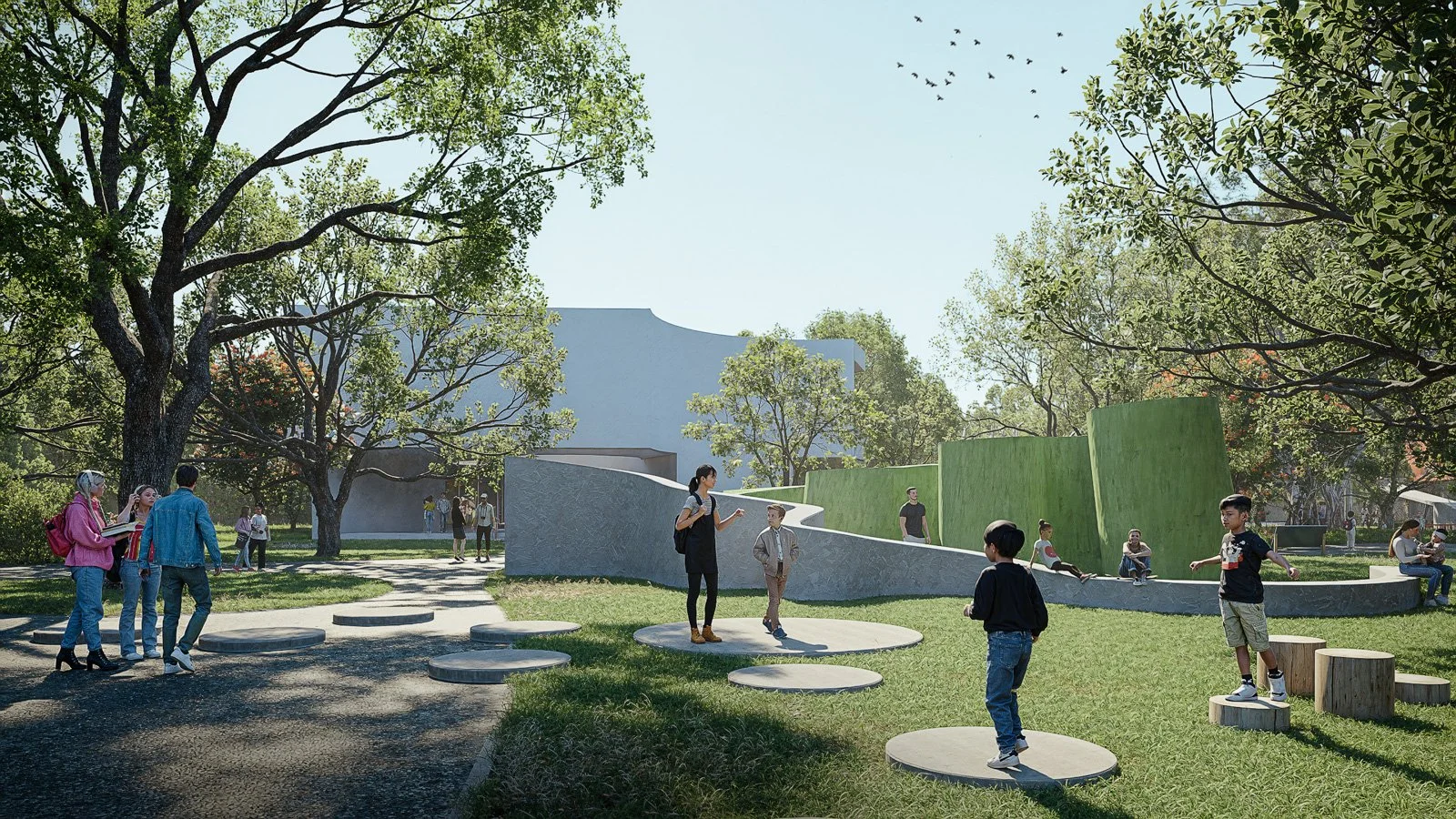
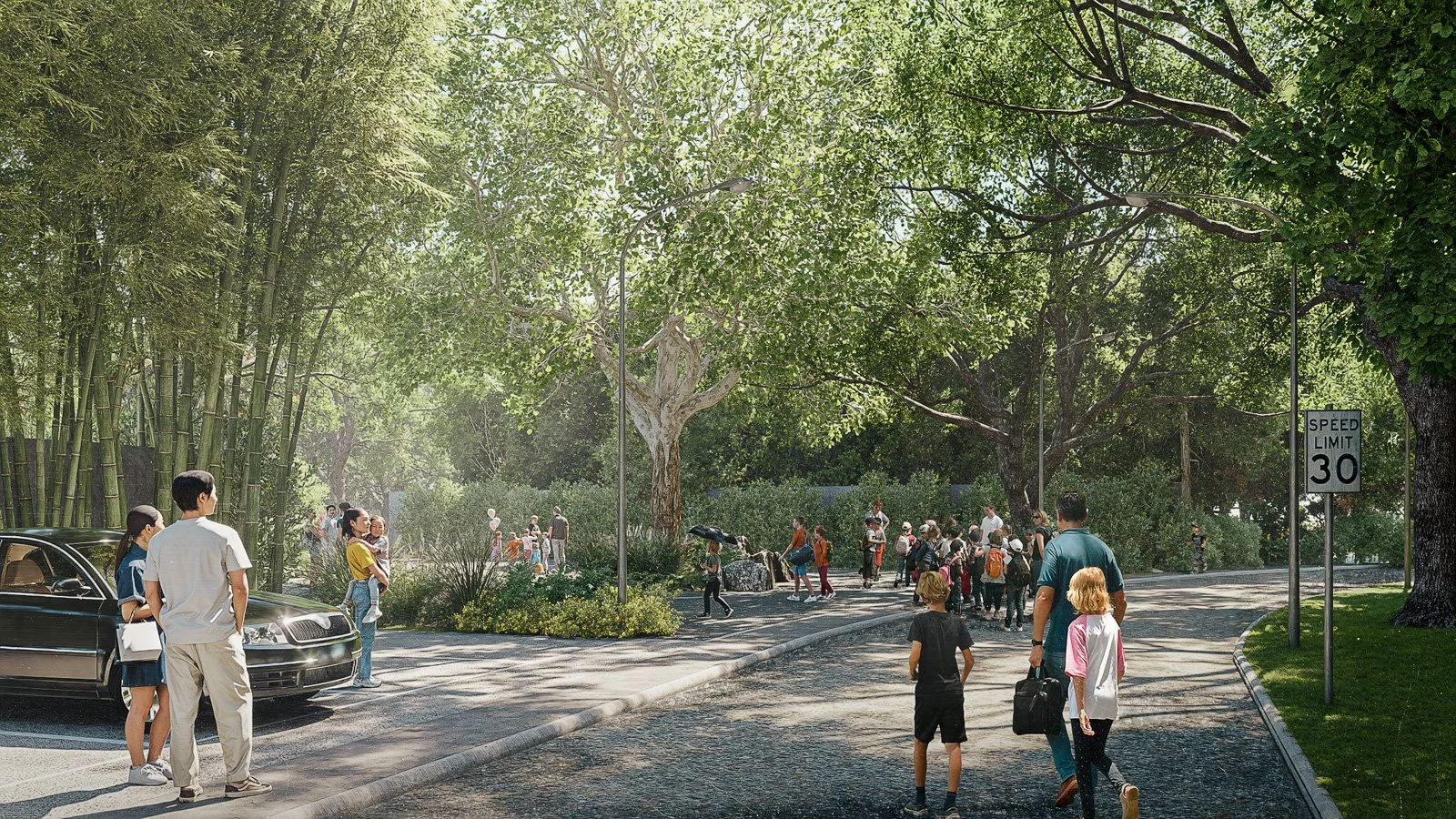
Below are our architects’ renders for Tumba-Tumba. Libre managinip! Hehe.
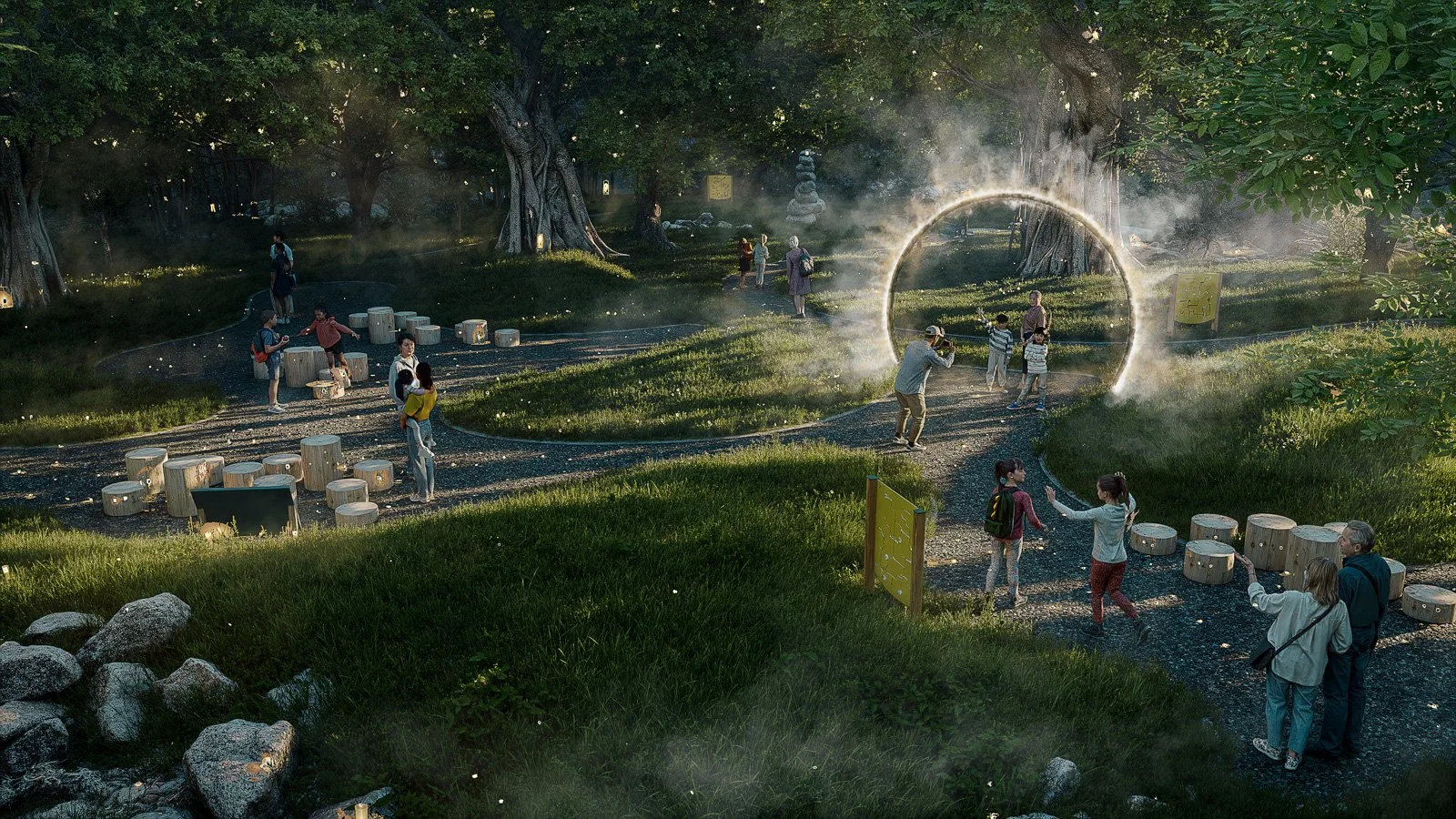
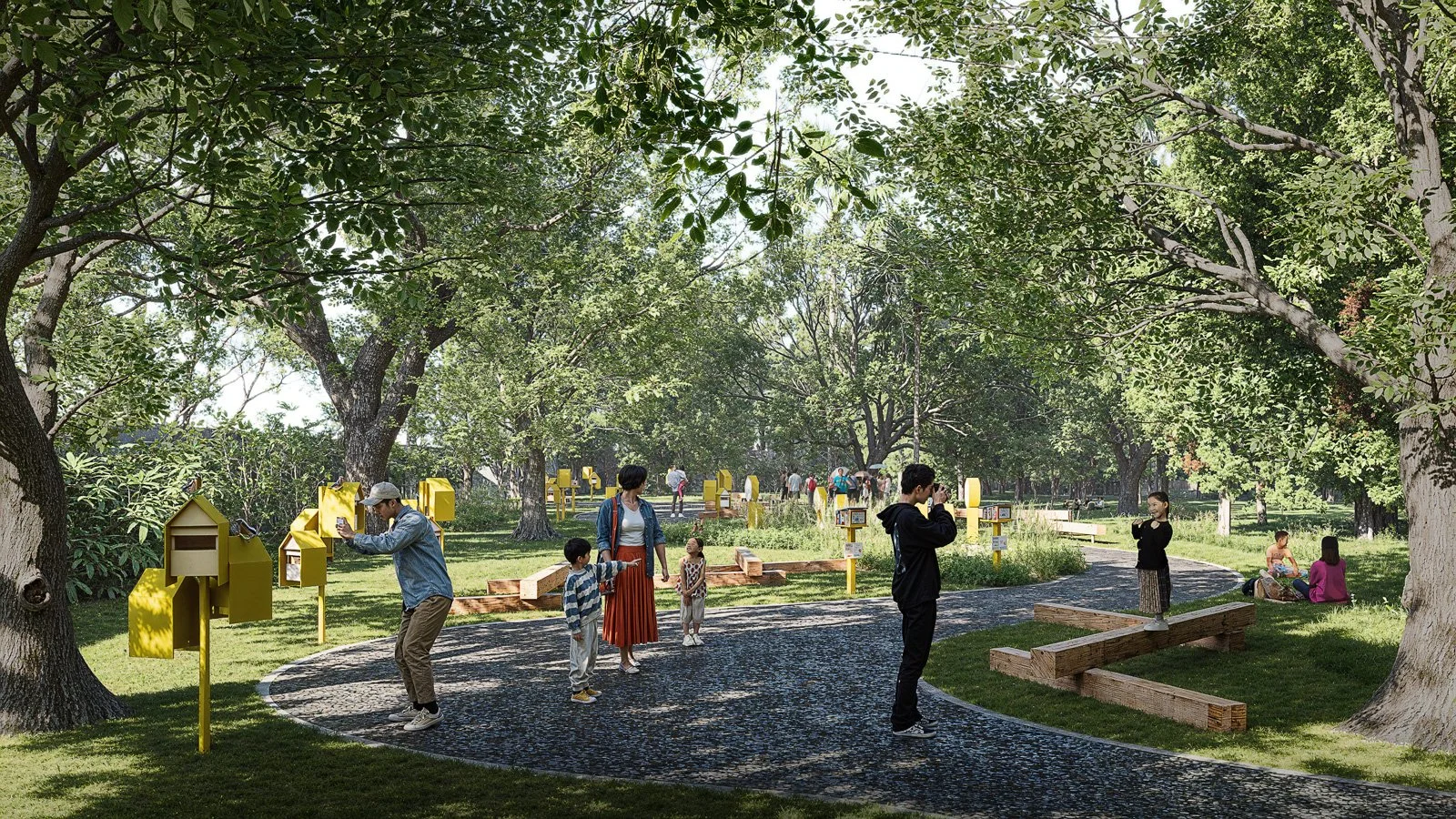
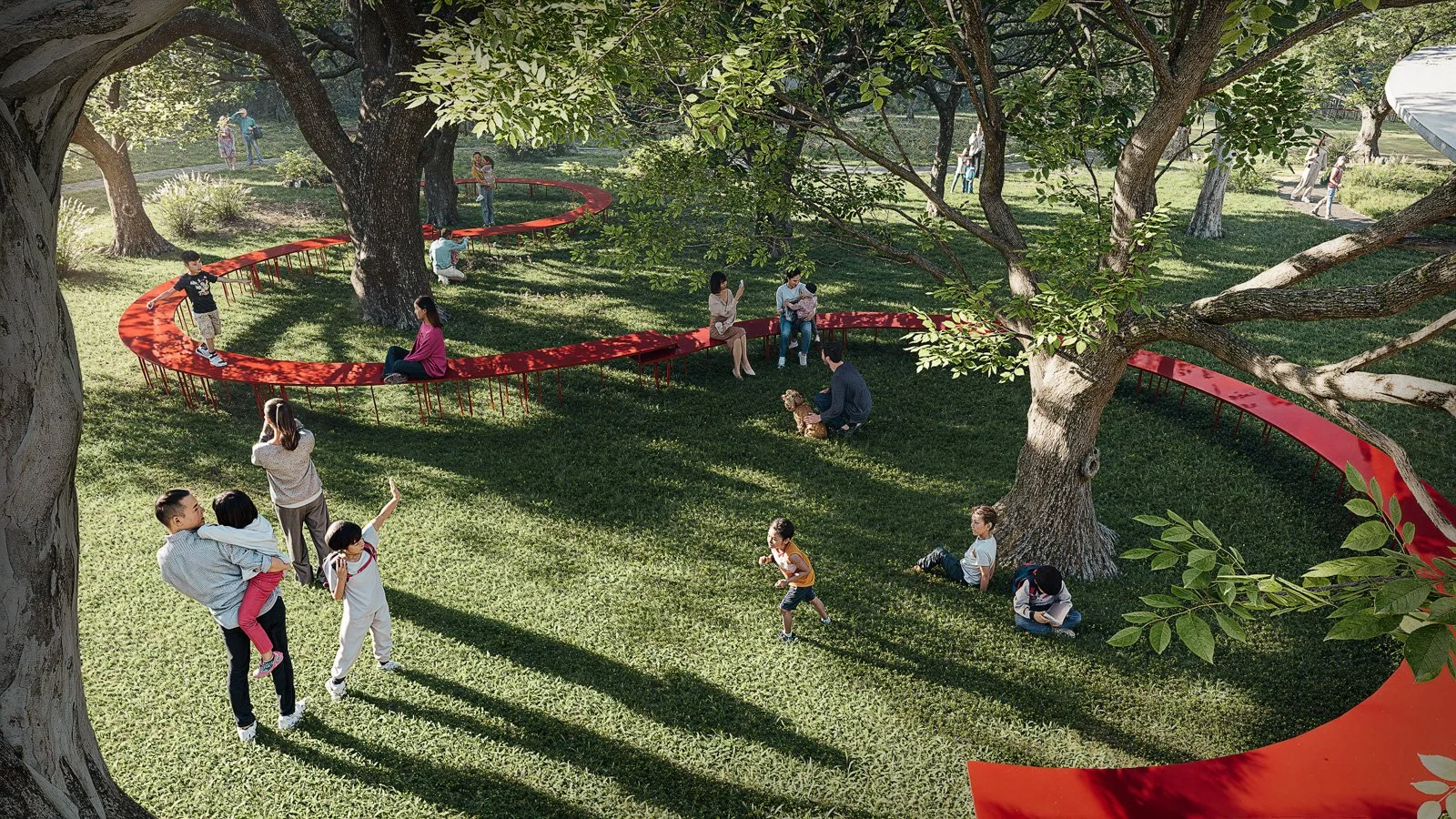
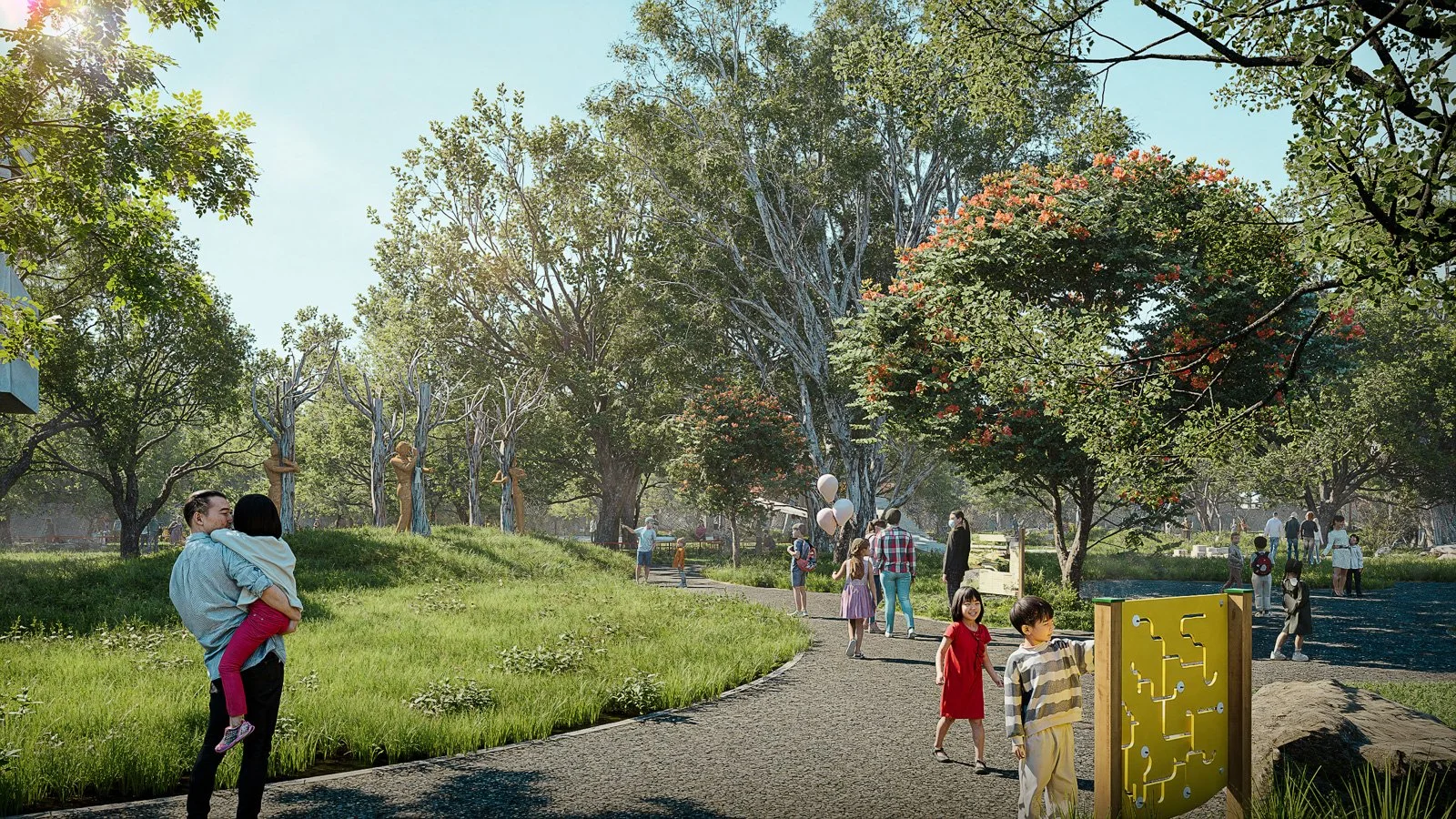
Learning from Germany
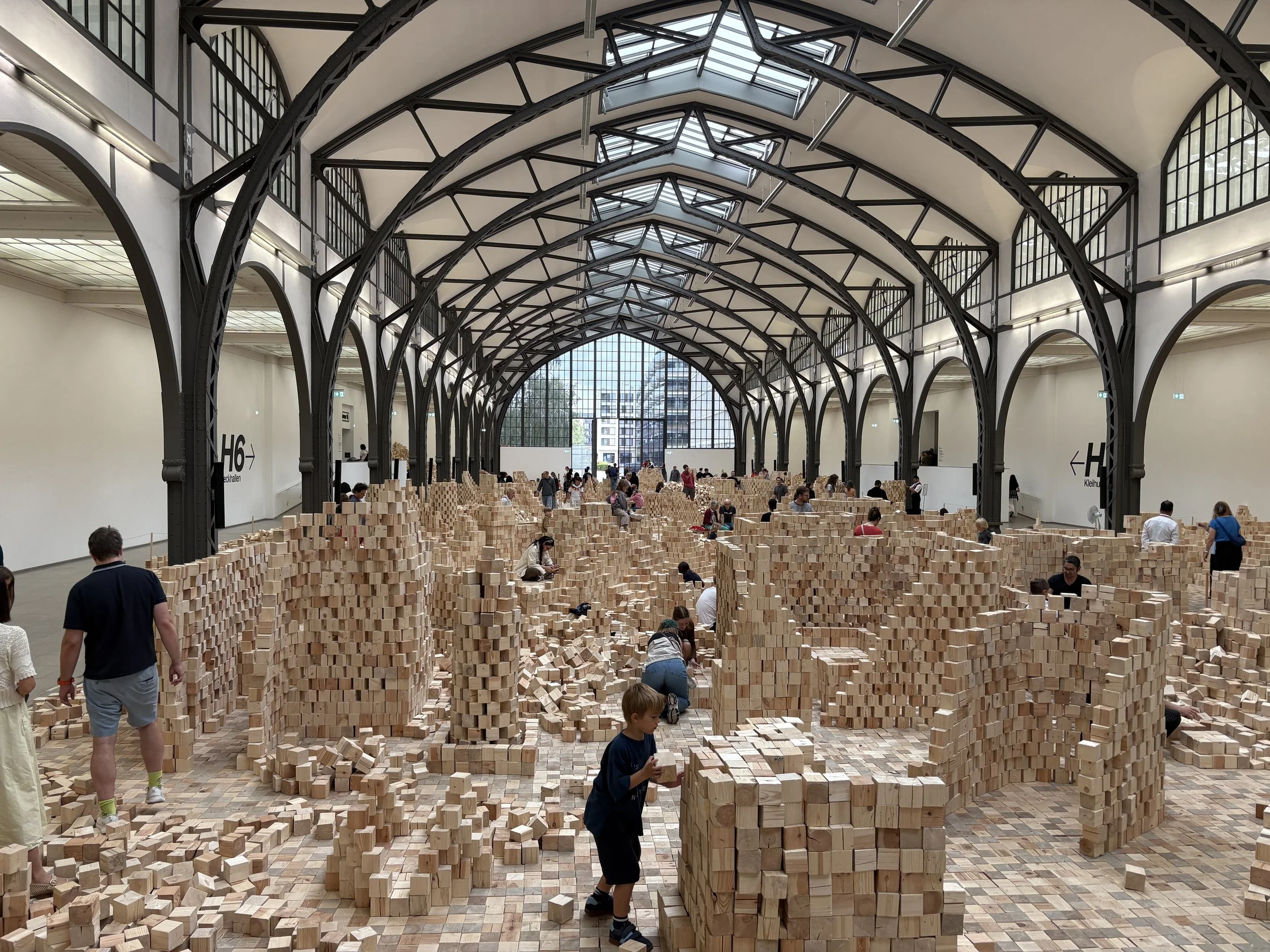
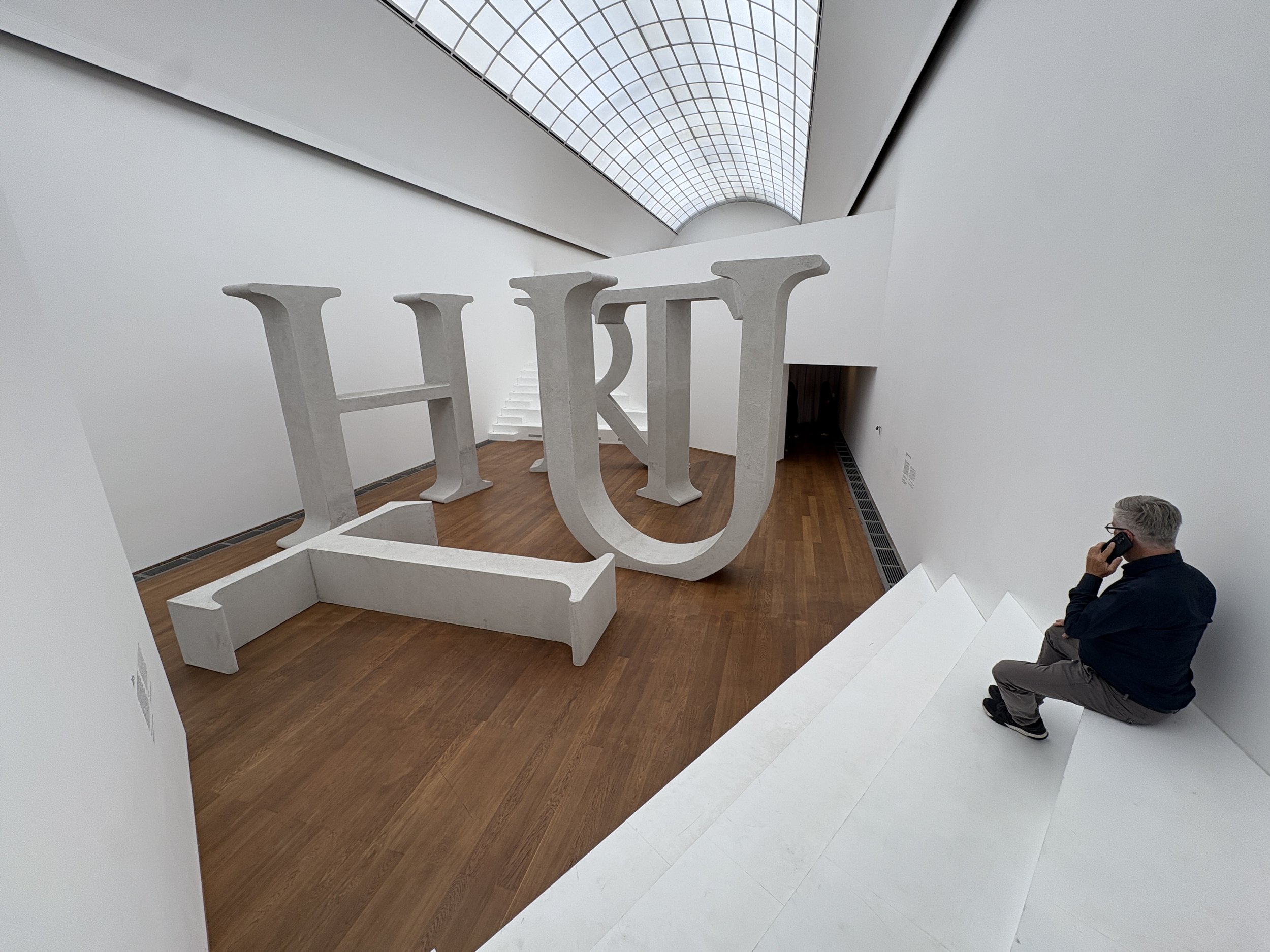
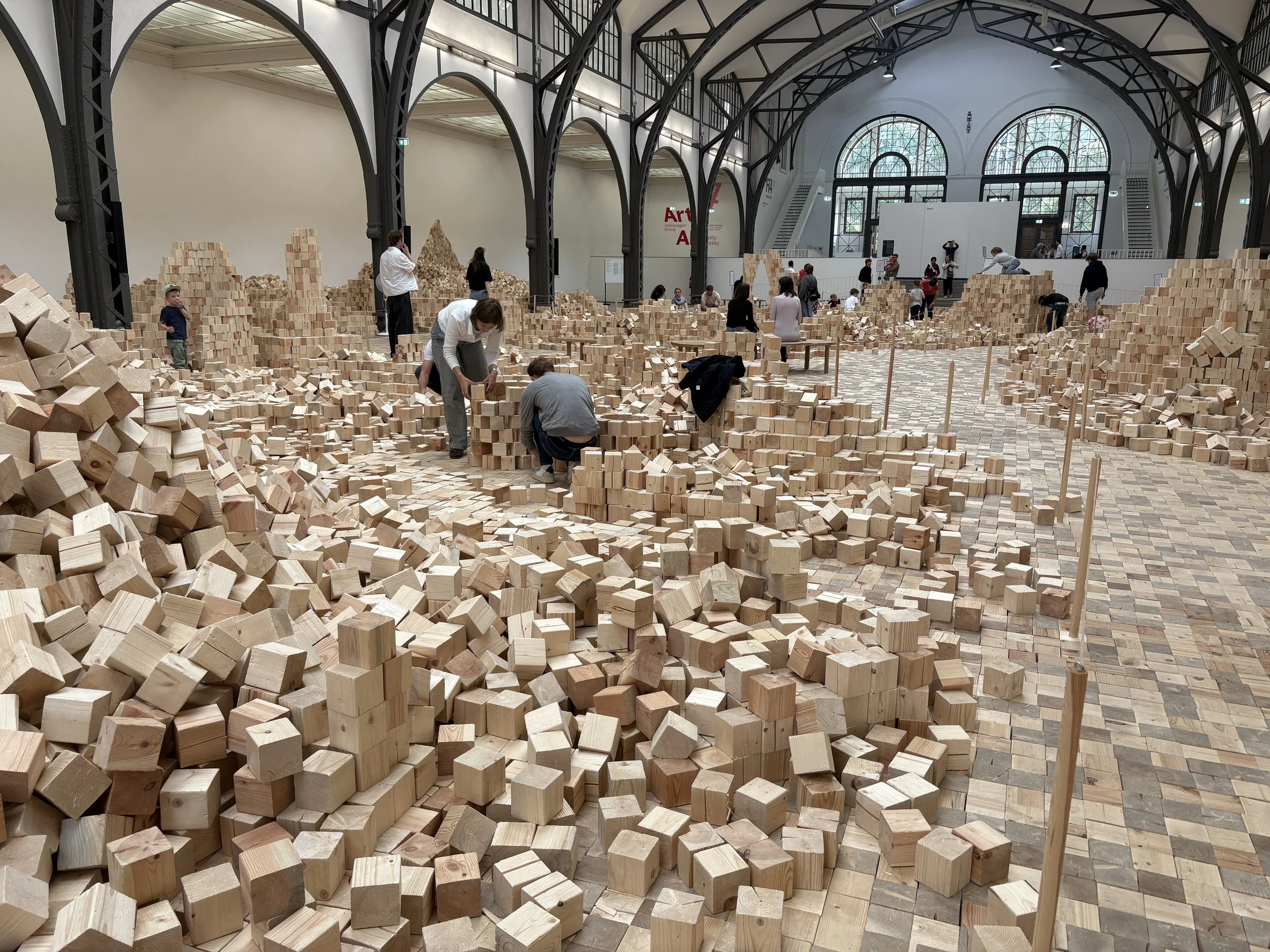
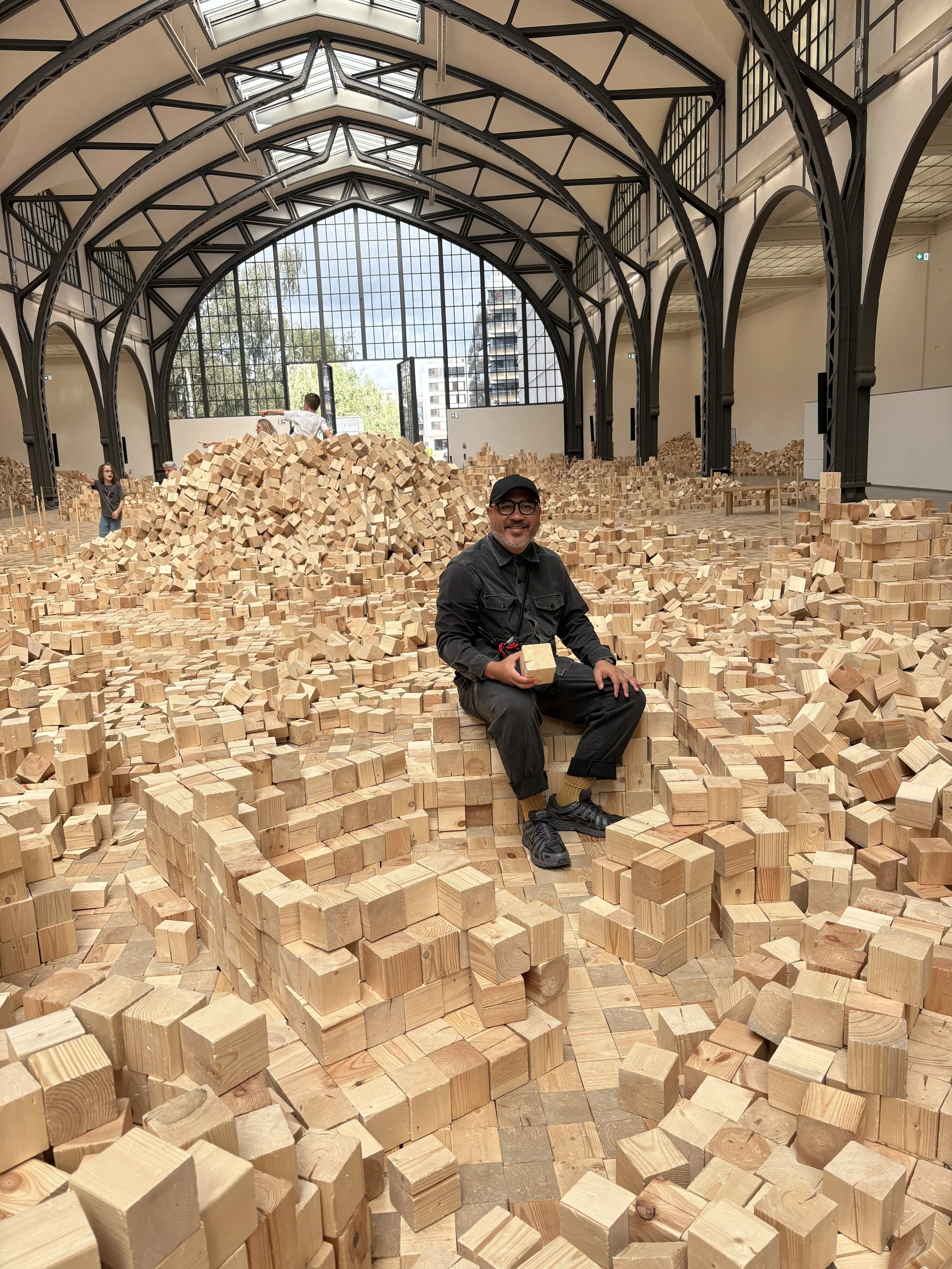
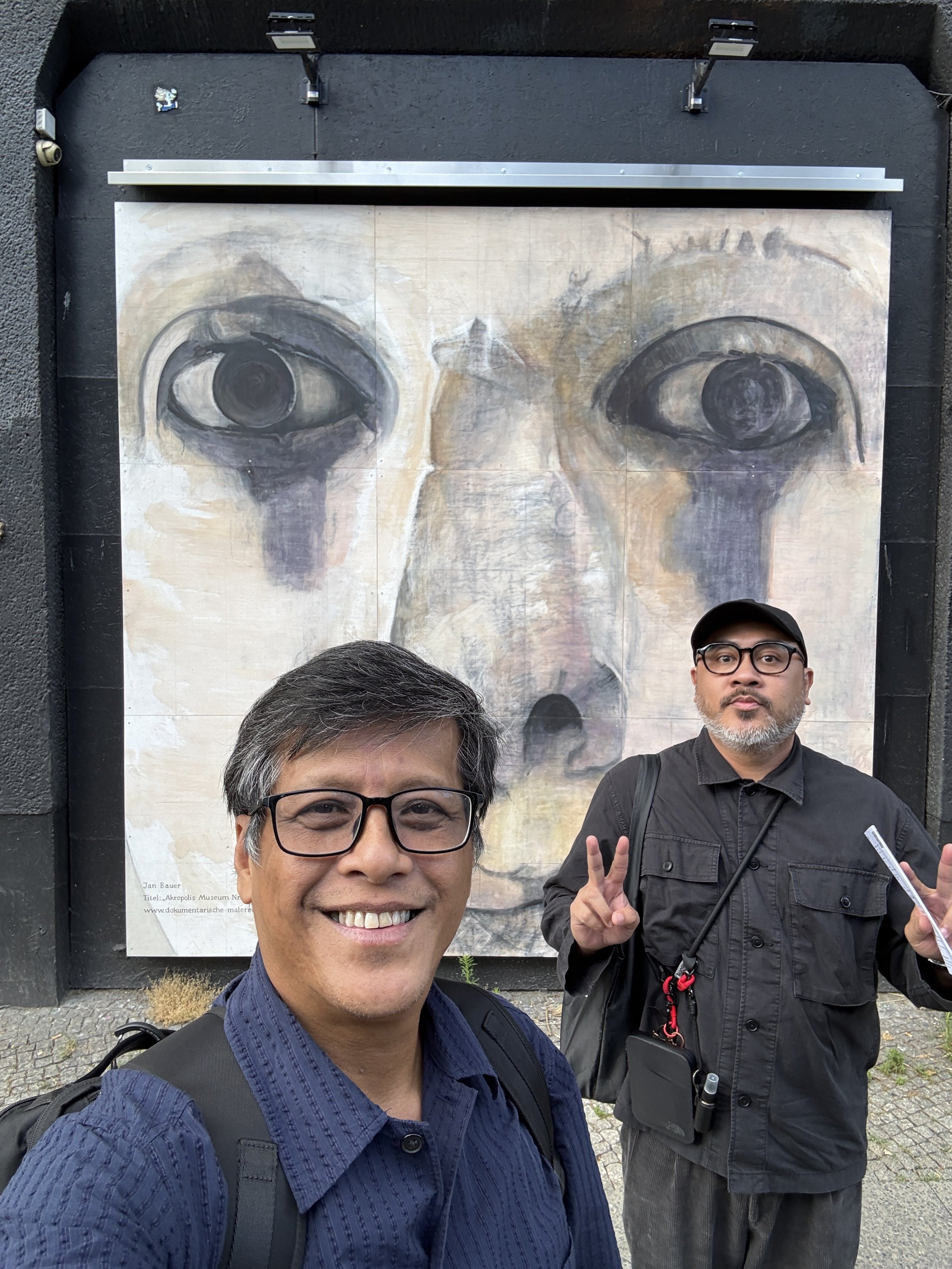
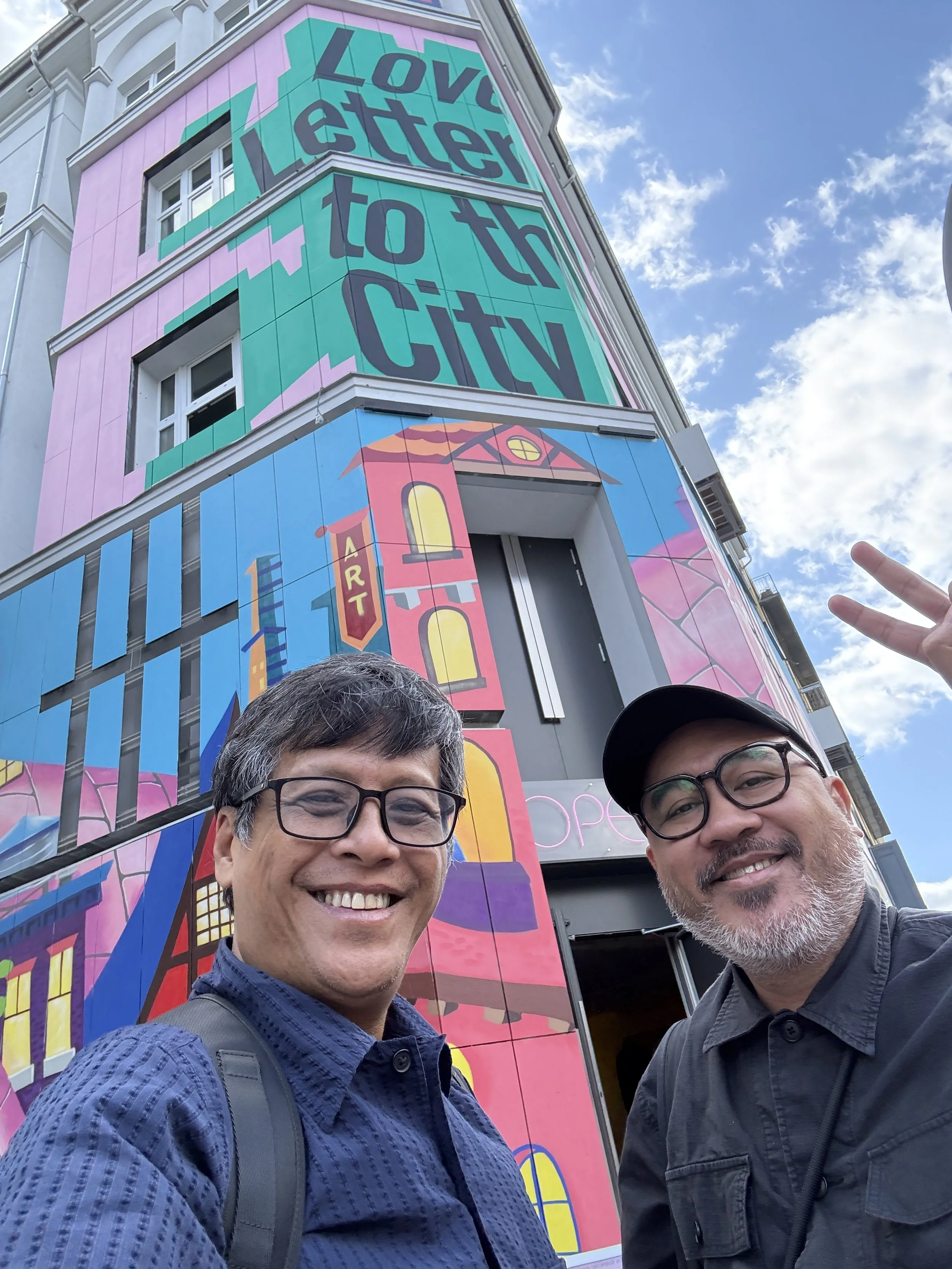
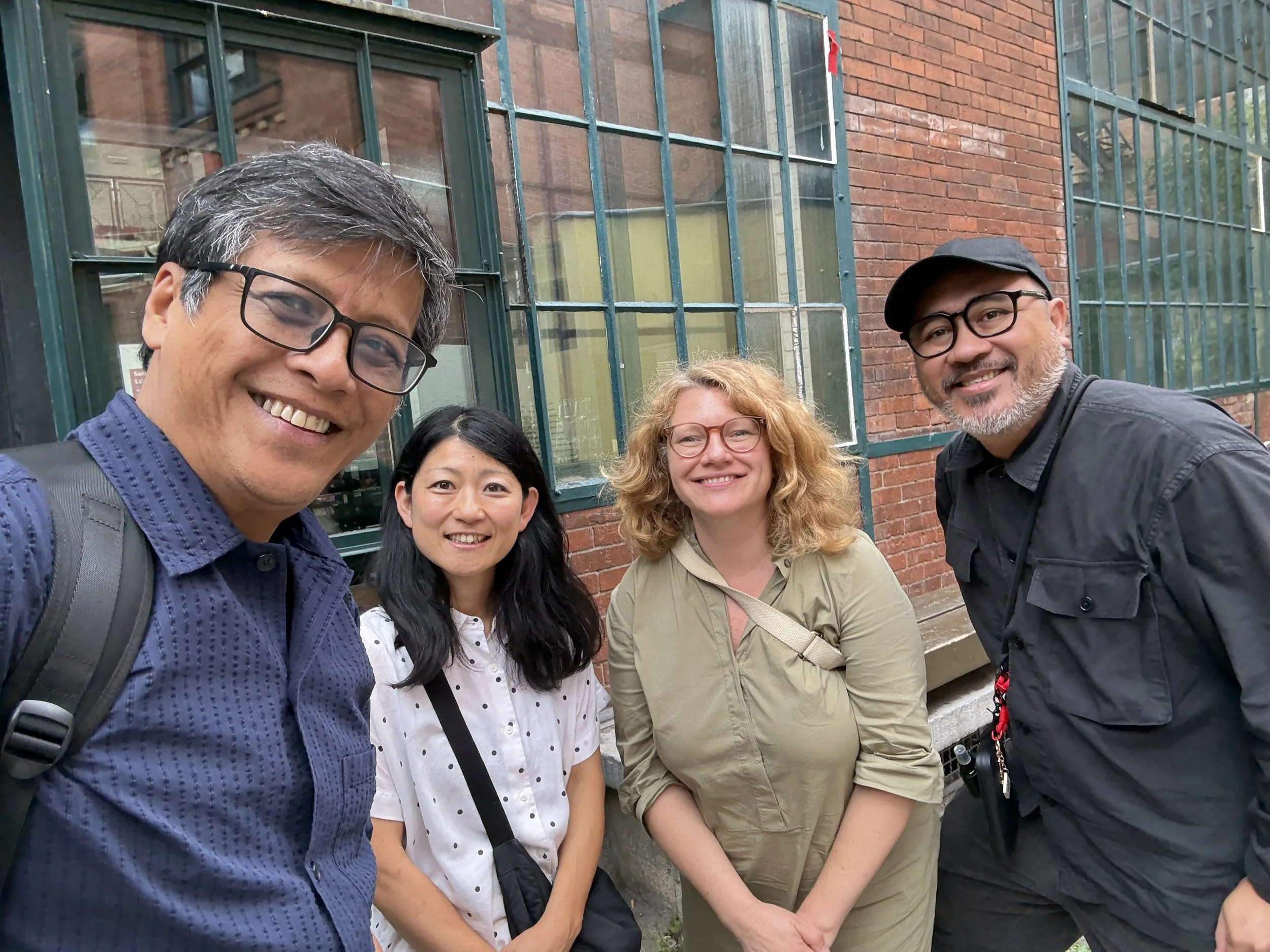
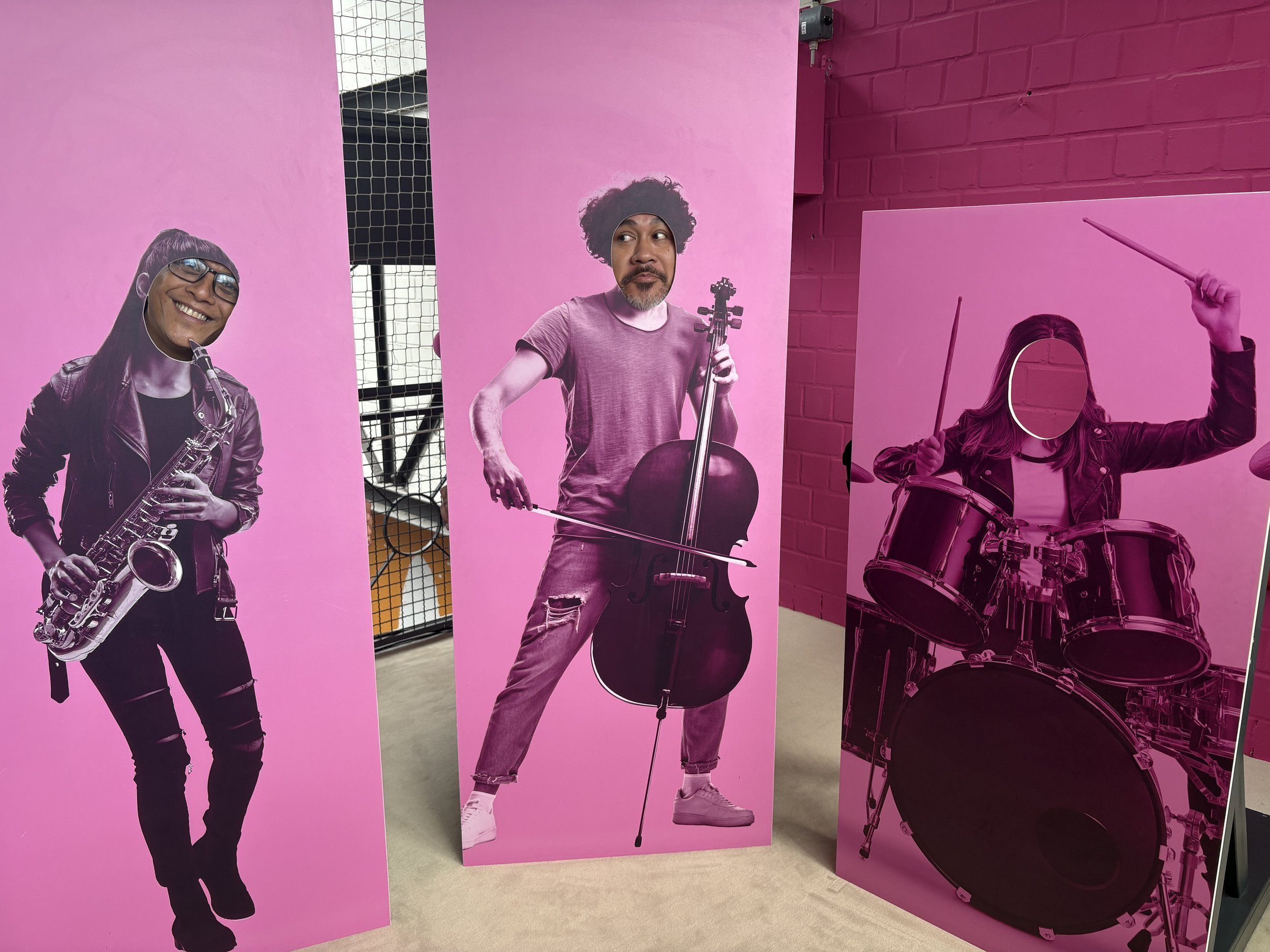
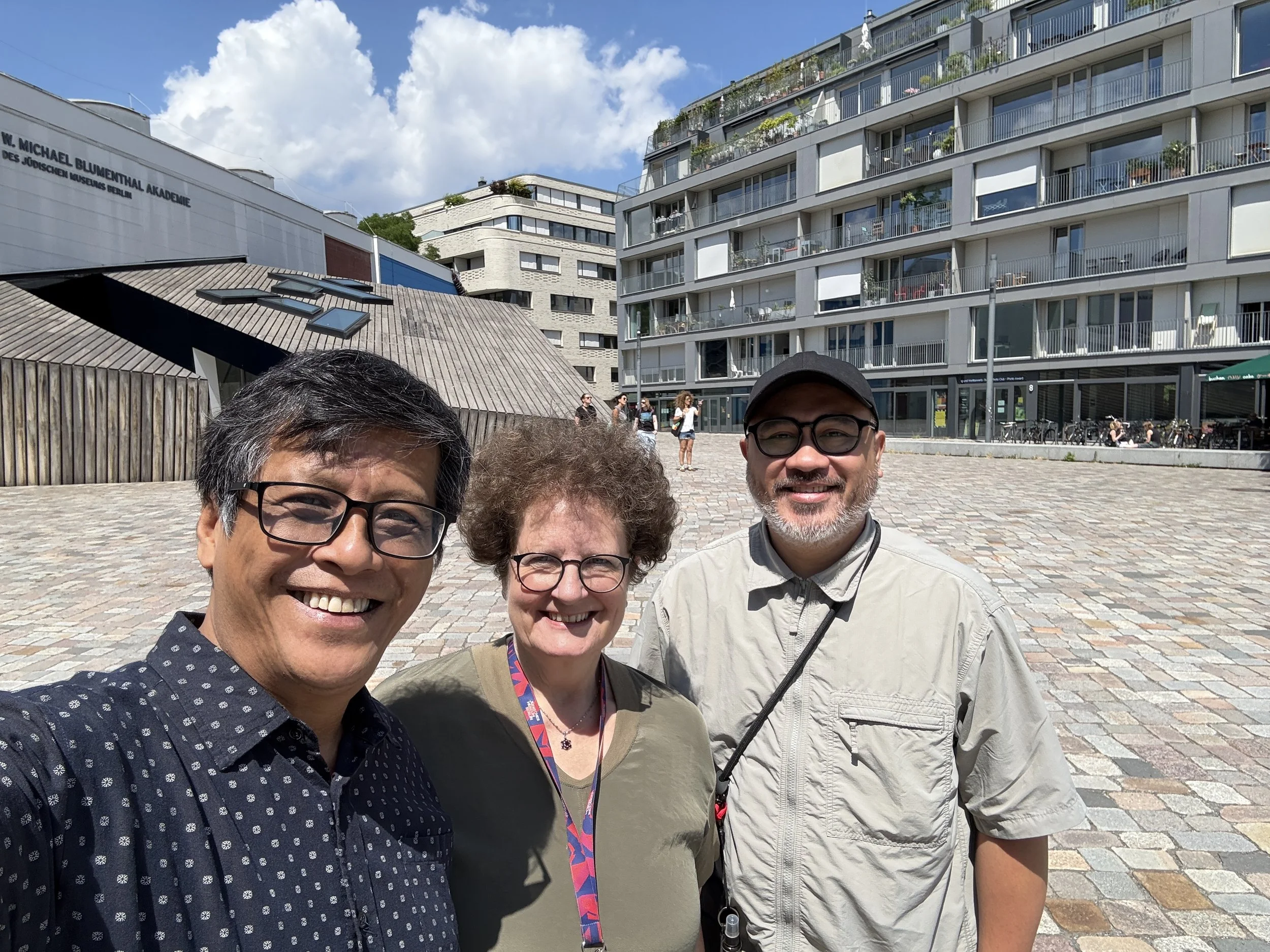
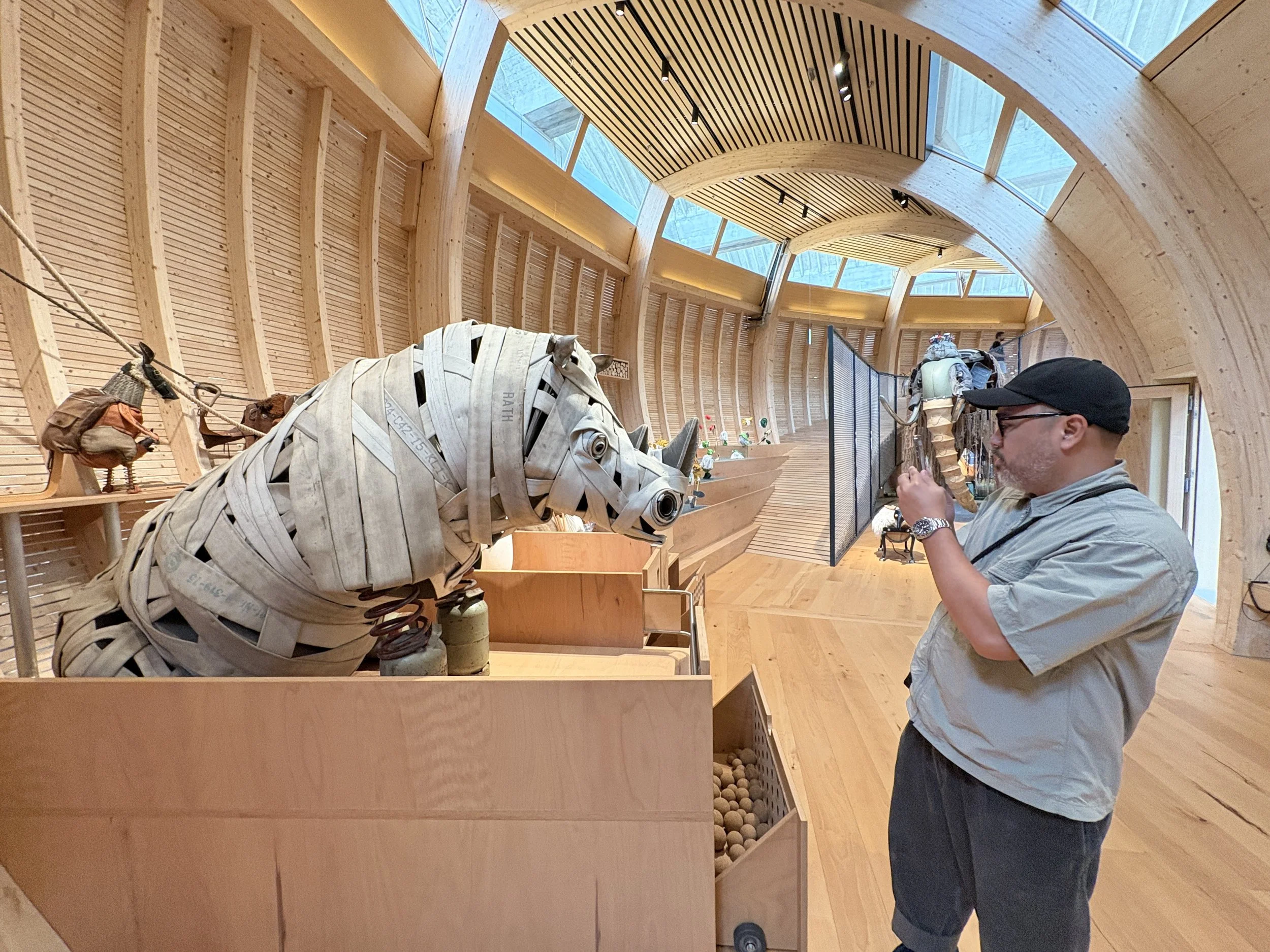
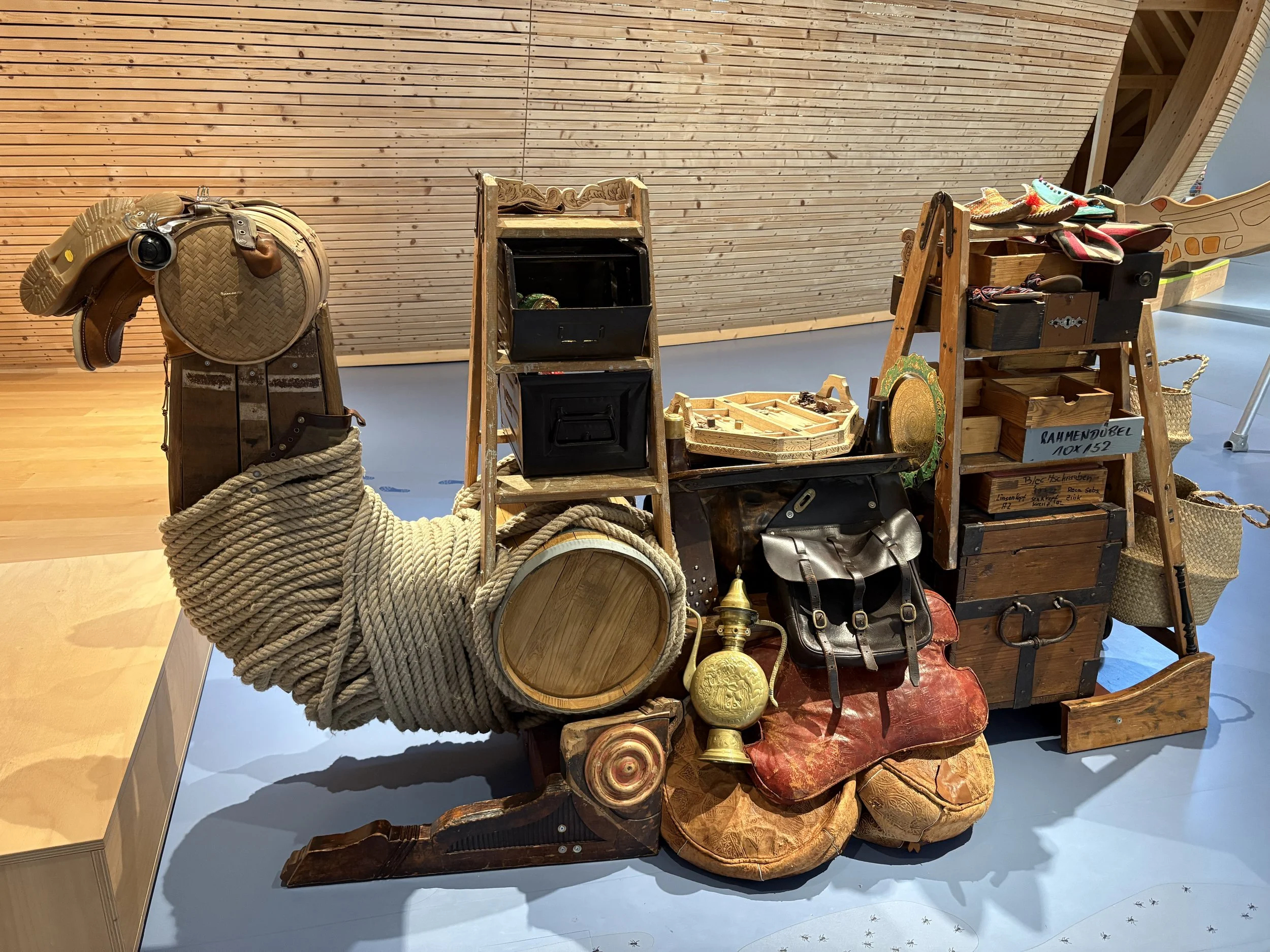
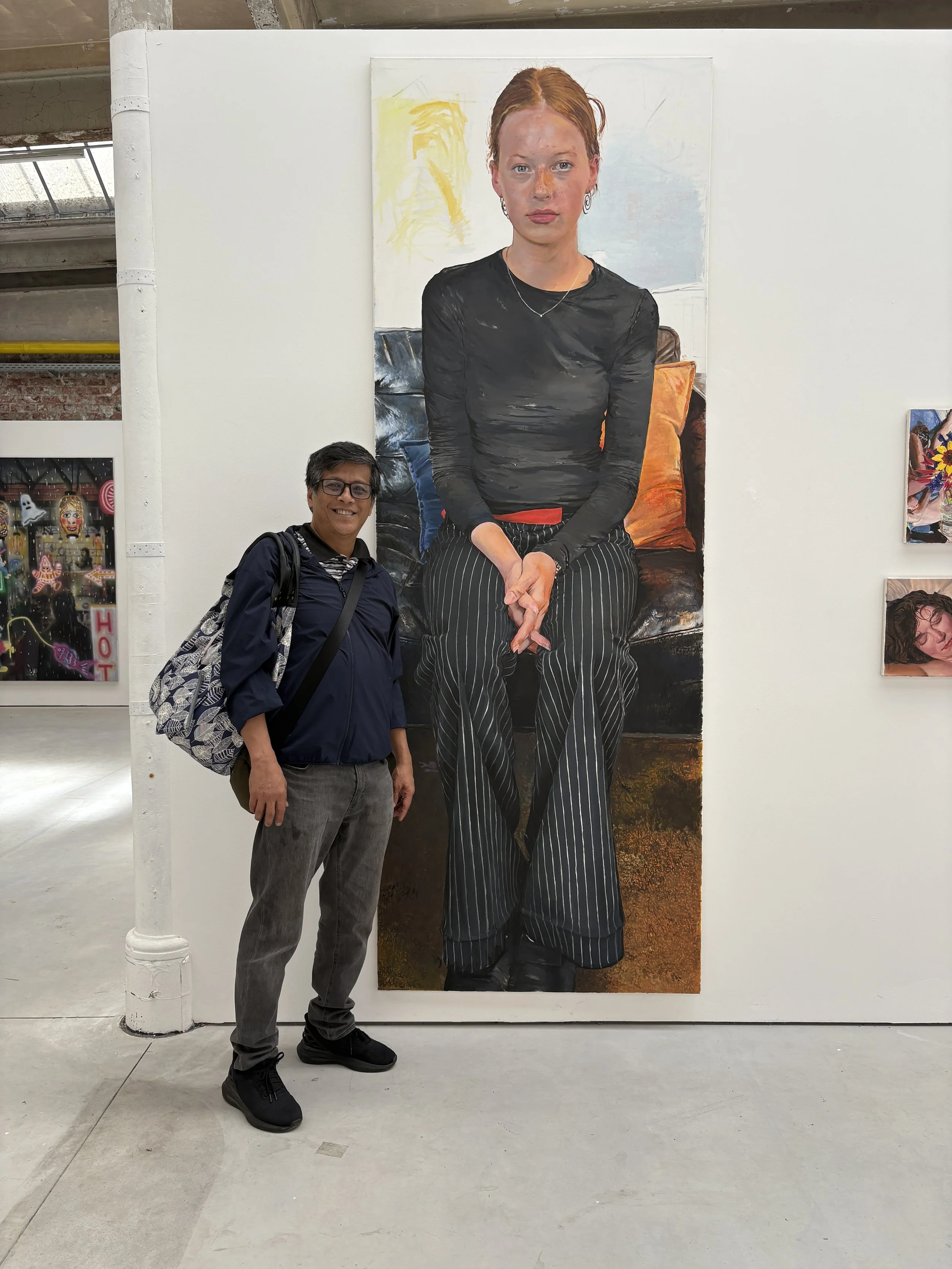
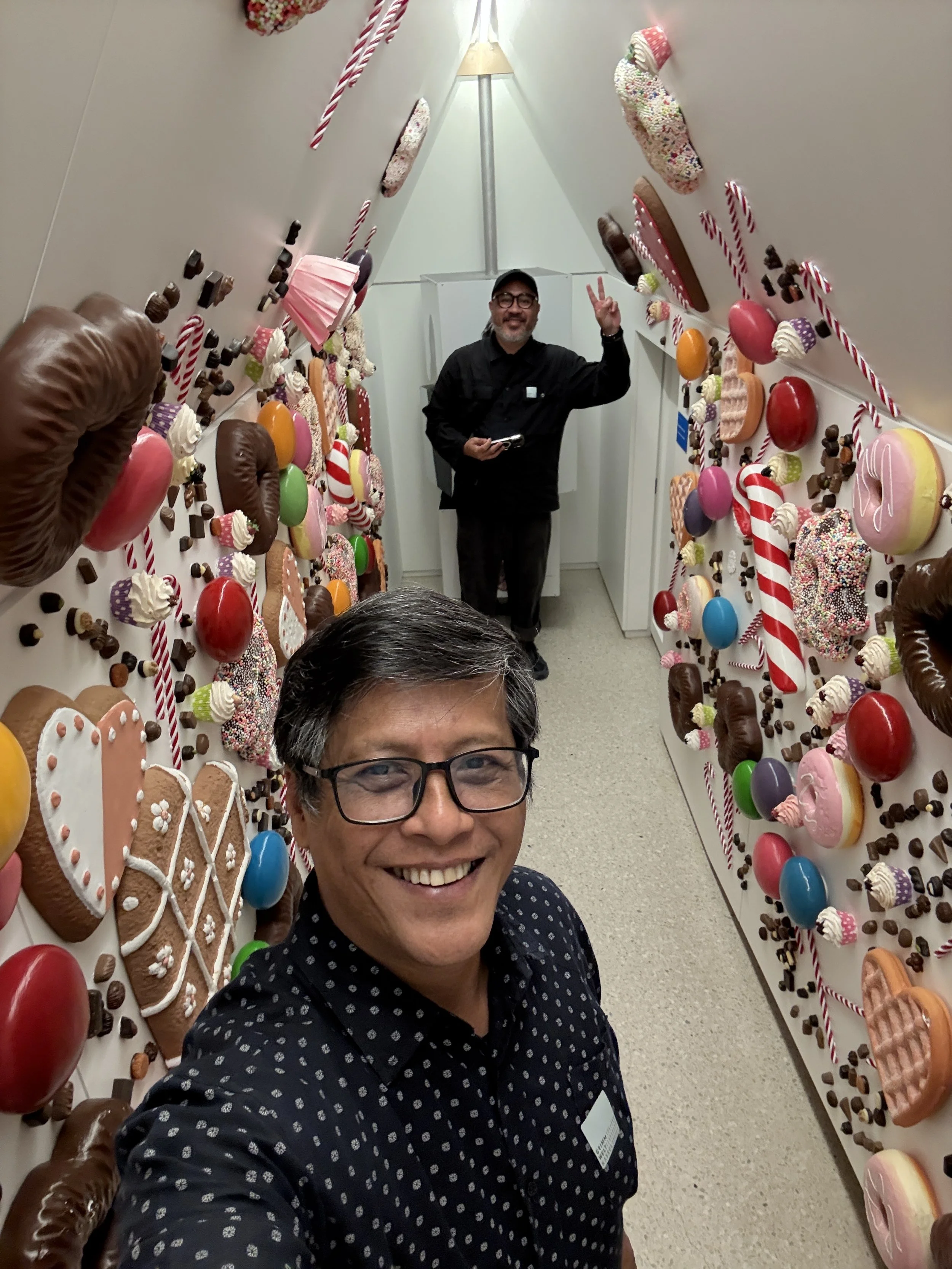
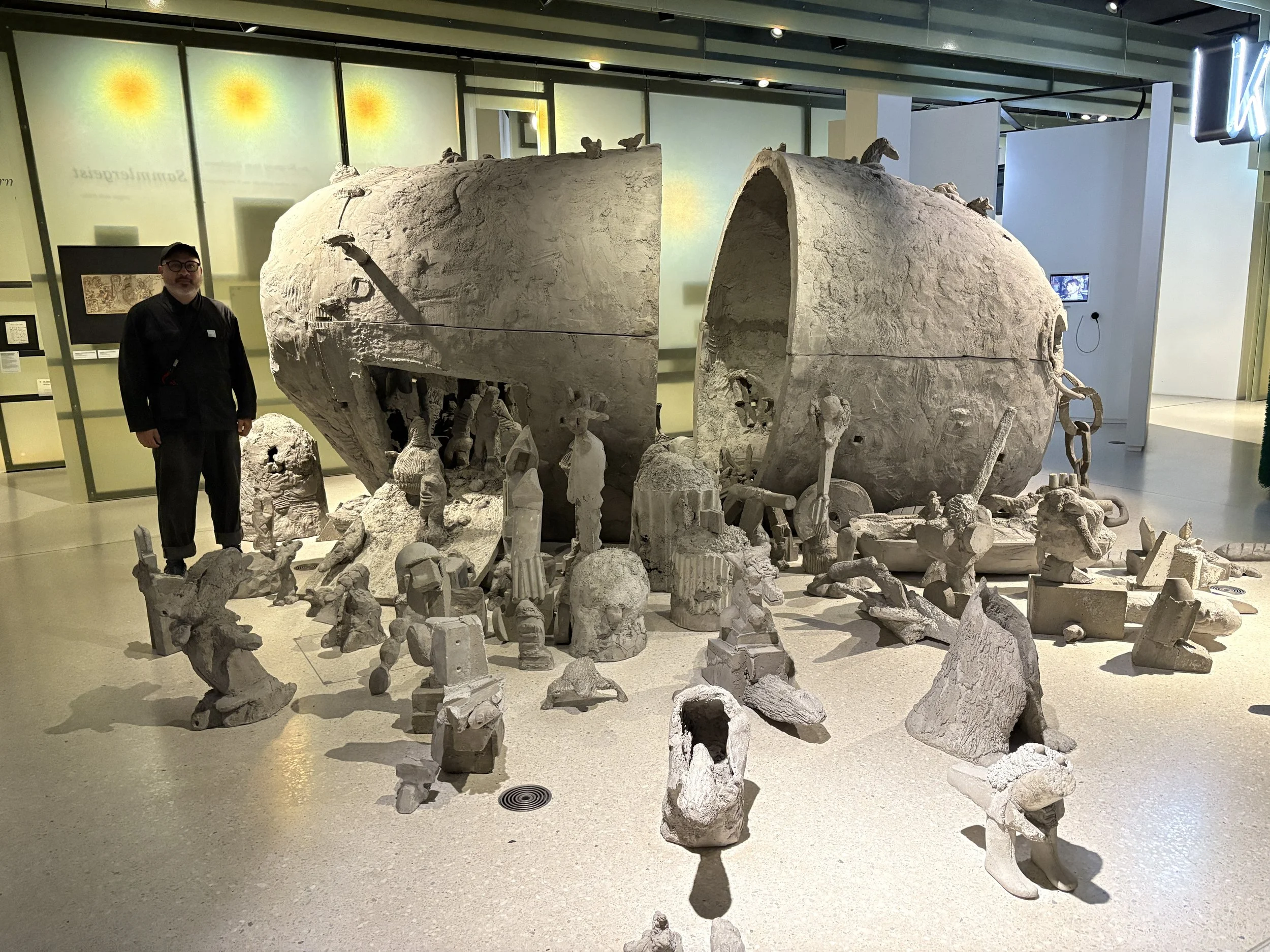
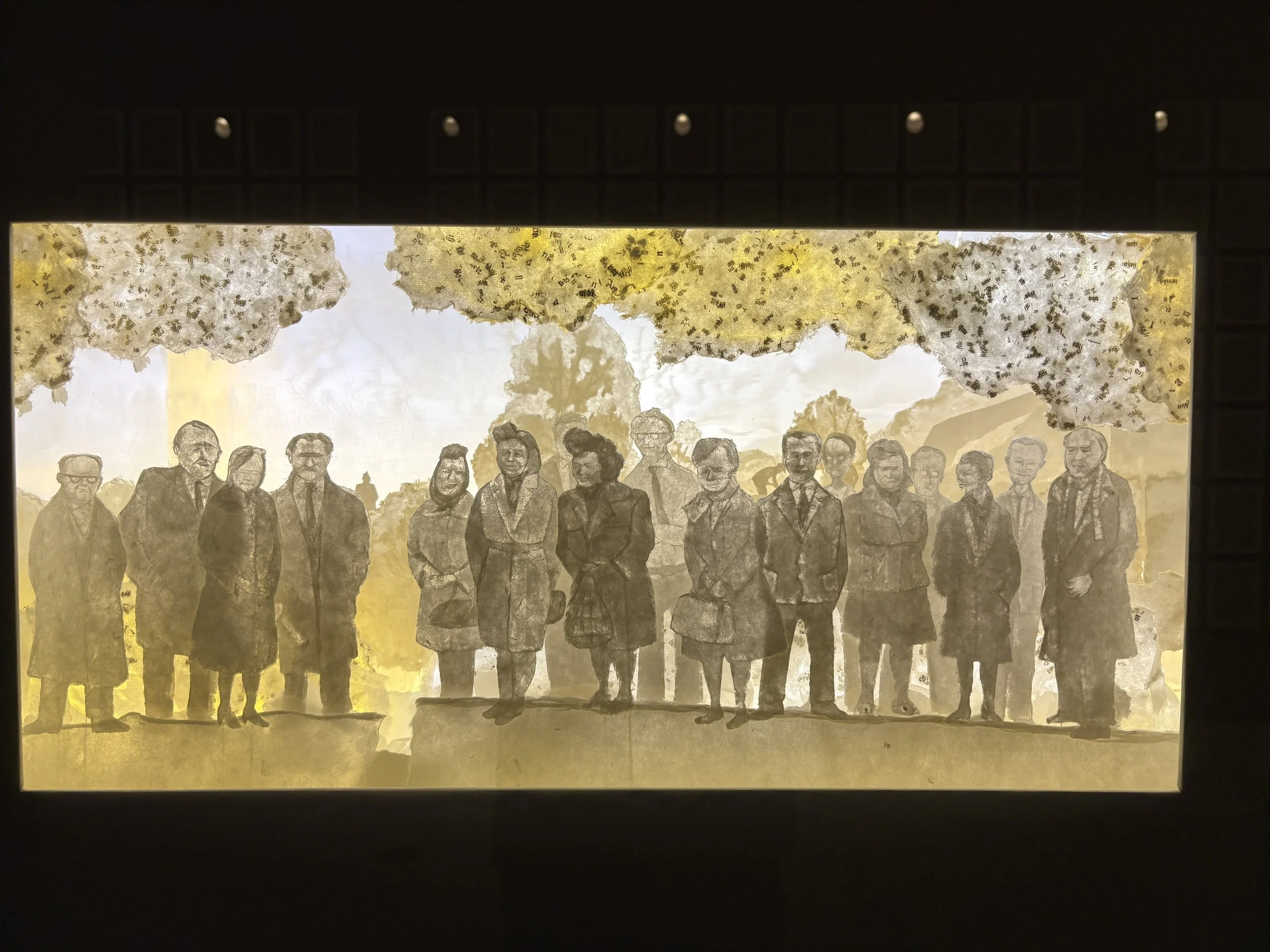
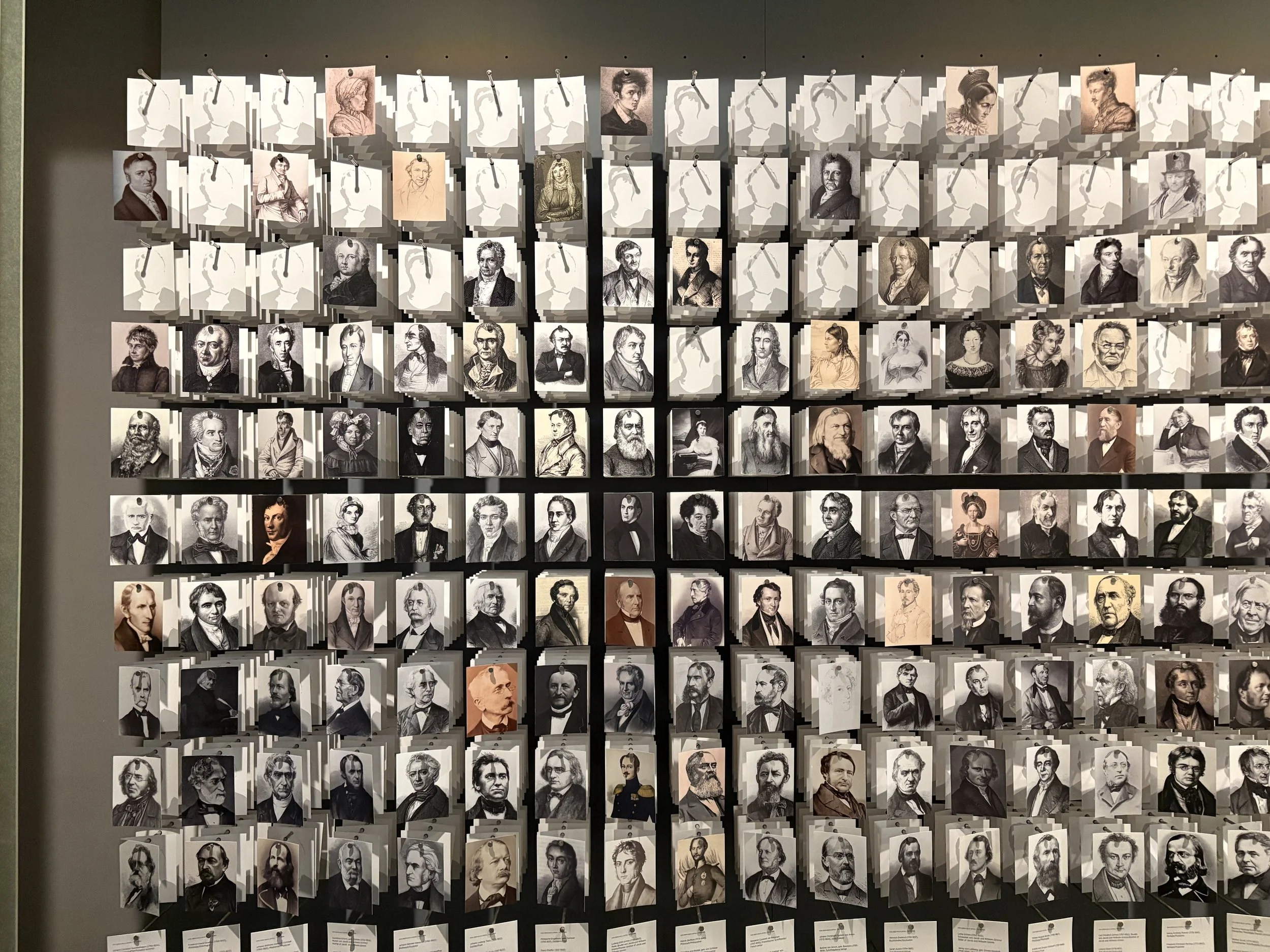
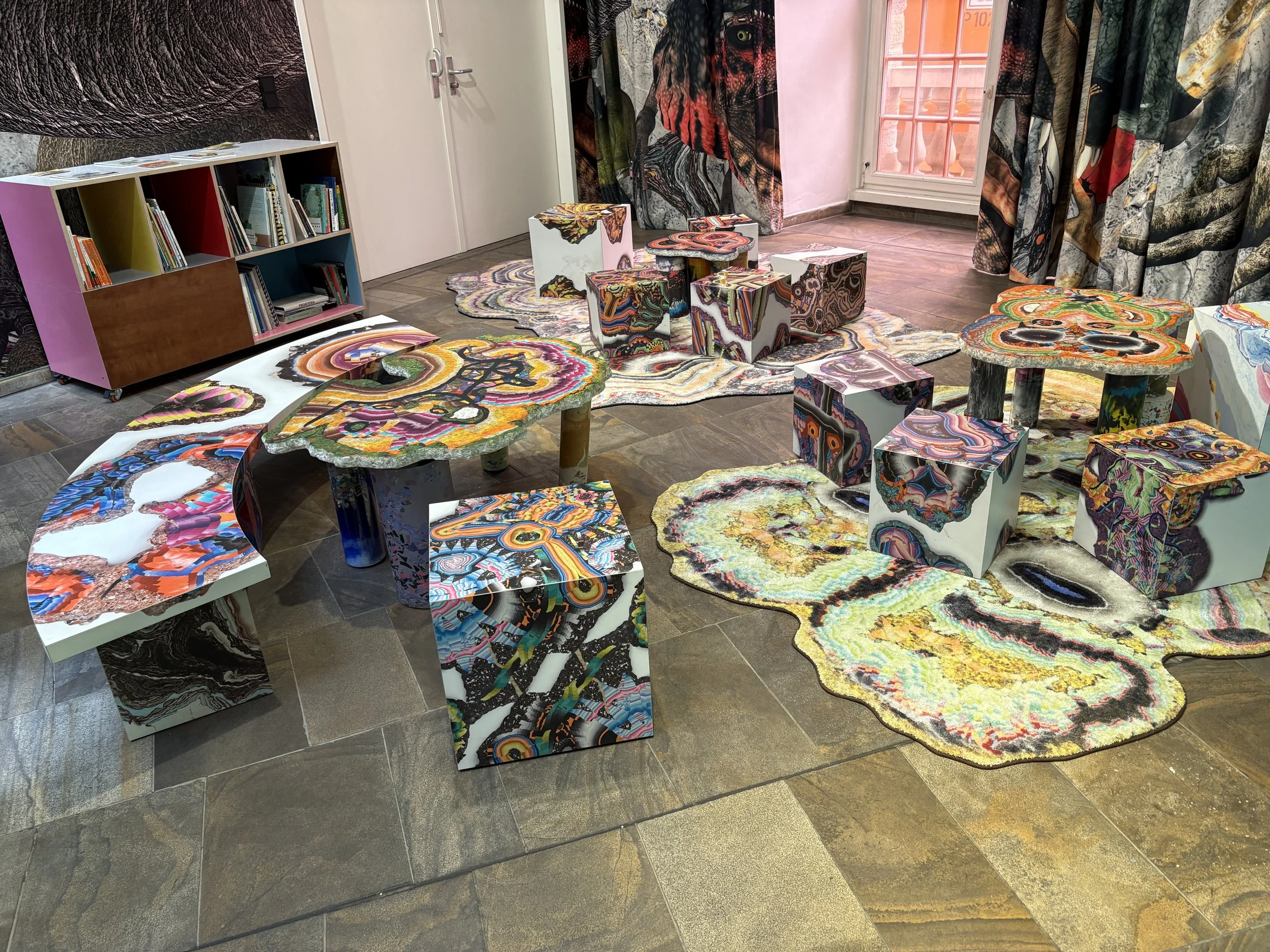
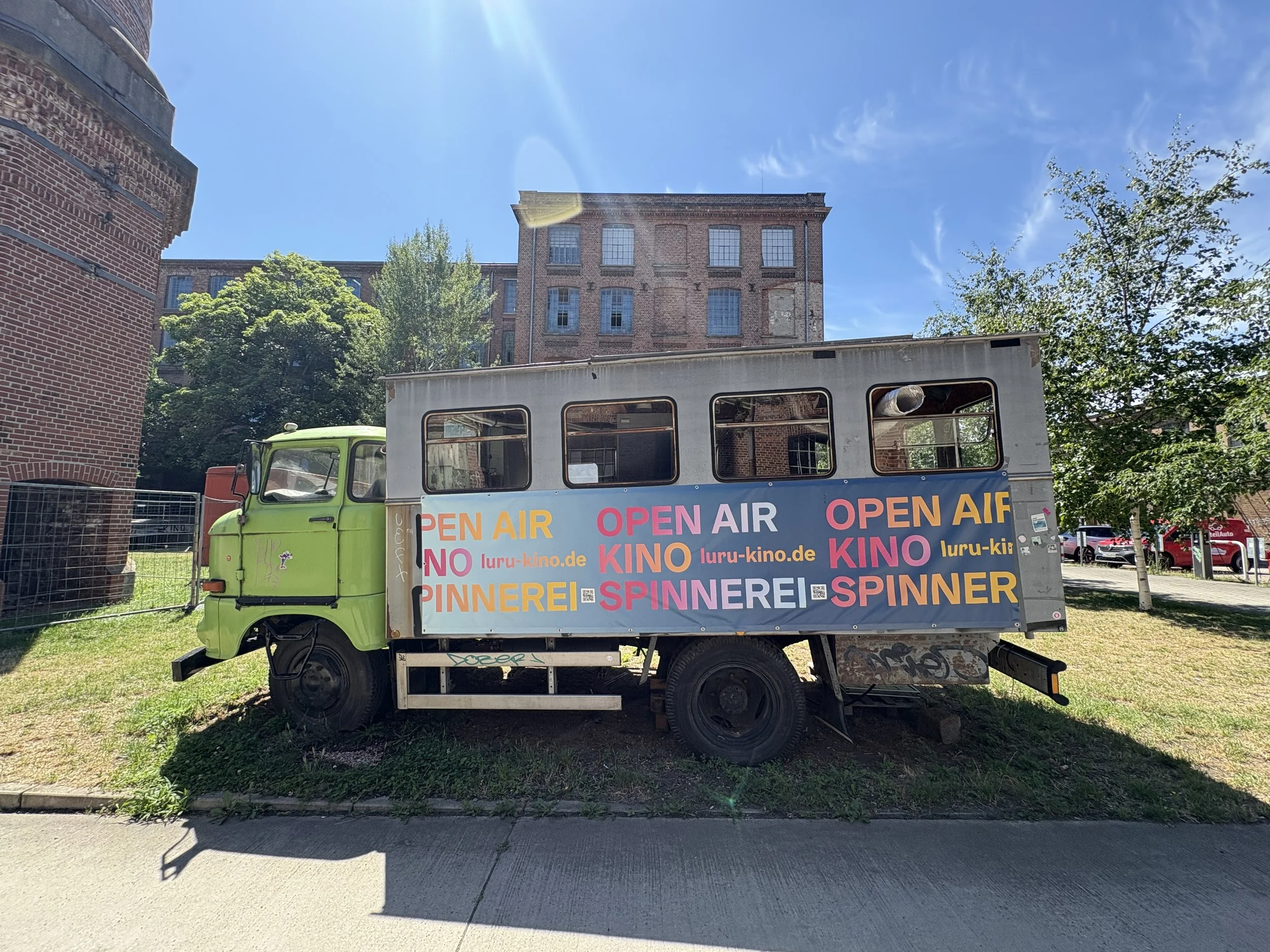
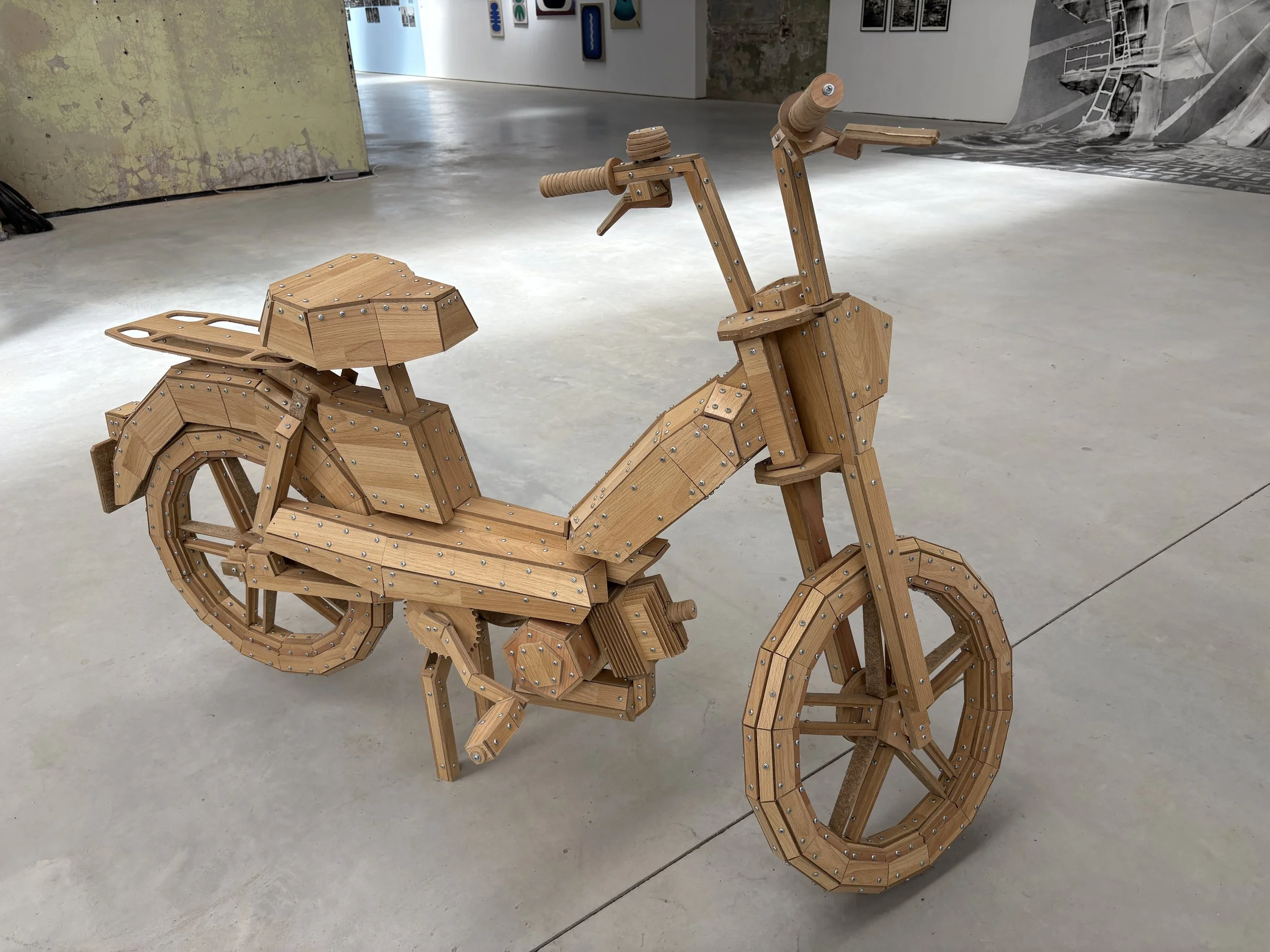
Last June 30 to July 15, CANVAS curator Jaime Pacena and I spent two weeks in Germany courtesy of a grant from the German government, visiting children's museums, cultural institutions, and creative communities.
The purpose of the trip is both simple and ambitious: to find a cultural institution that could become CANVAS’ long-term partner as we build the Tumba-Tumba Children’s Museum of Philippine Art.
The trip is part of Germany’s effort to strengthen cultural relationships with organizations in countries that have not traditionally been the focus of German cultural cooperation. If all goes well, we hope to identify one museum whose vision closely matches ours. Together, we would then attempt to design a four-year program of artistic collaboration that would be proposed to, and if successful supported by up to 400,000 euros annually in German funding from 2027 to 2031.
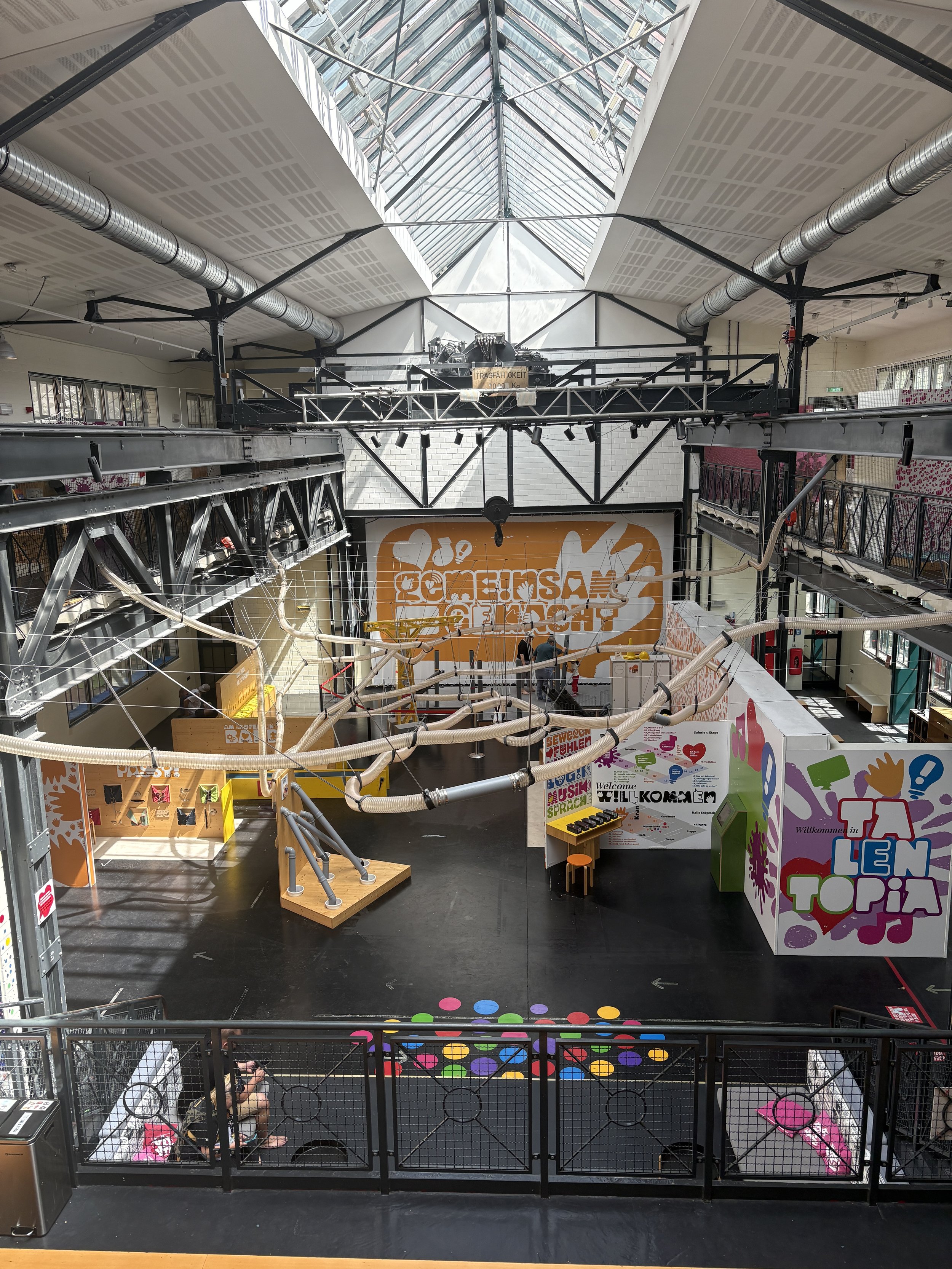
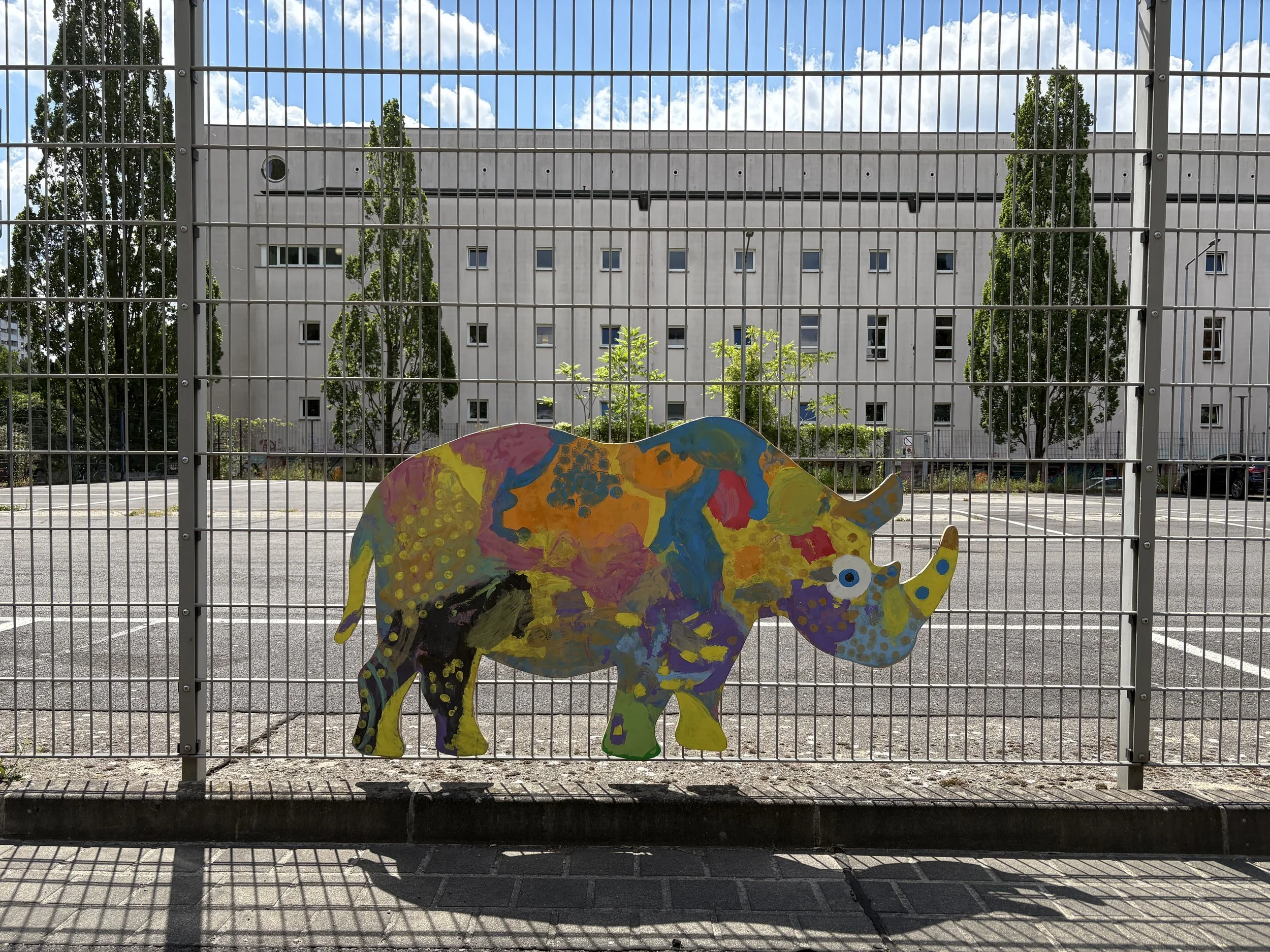
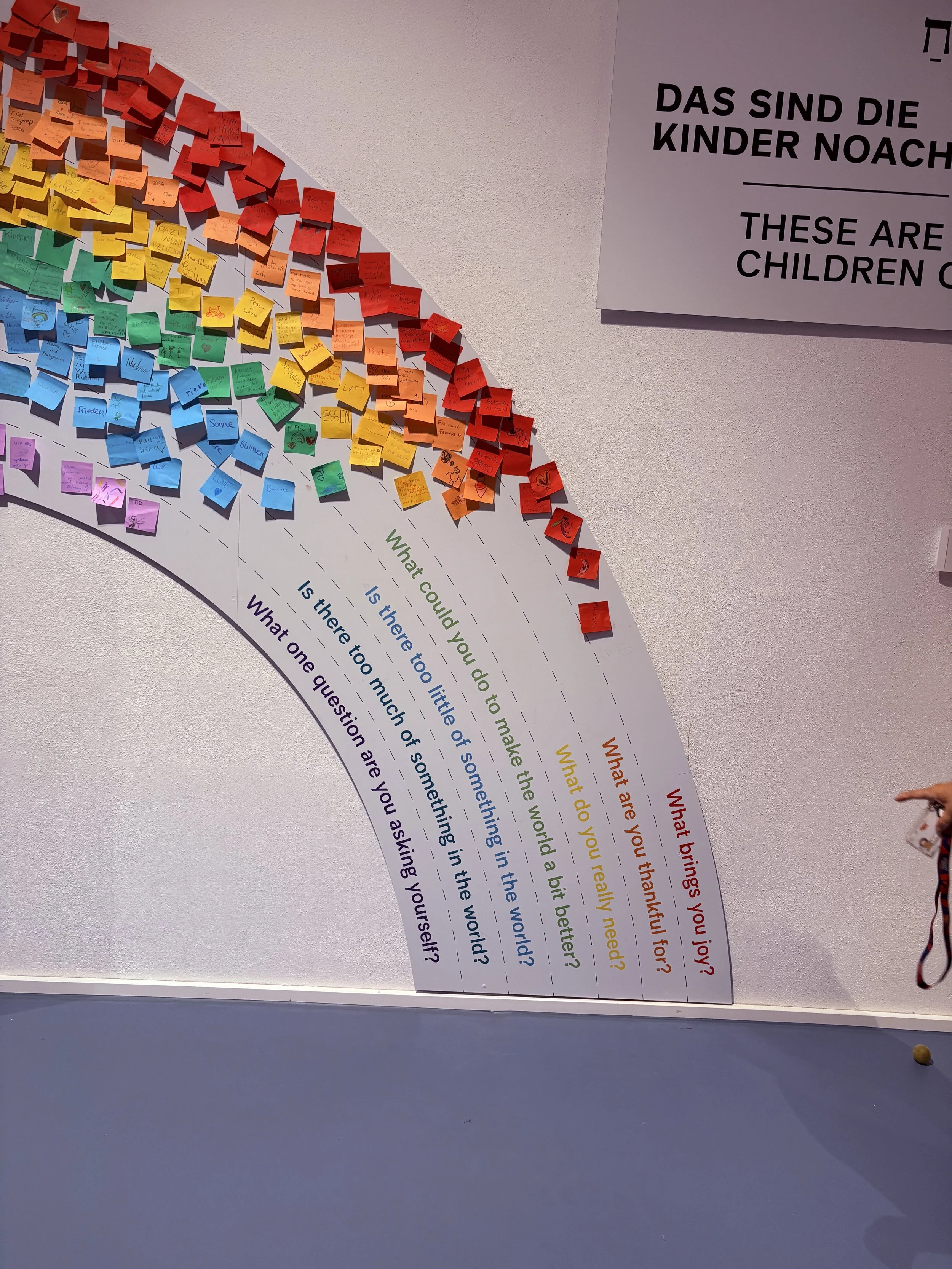
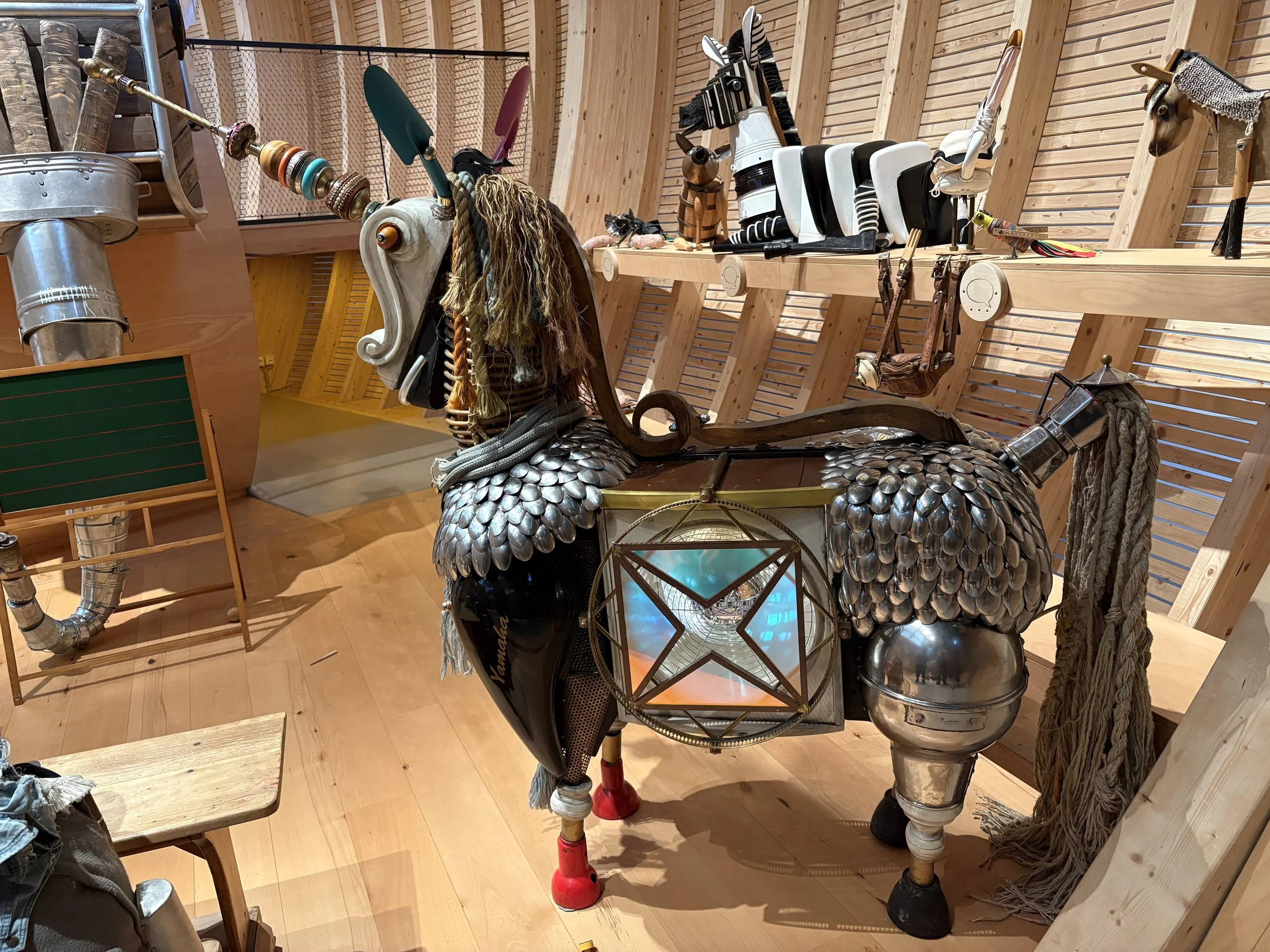
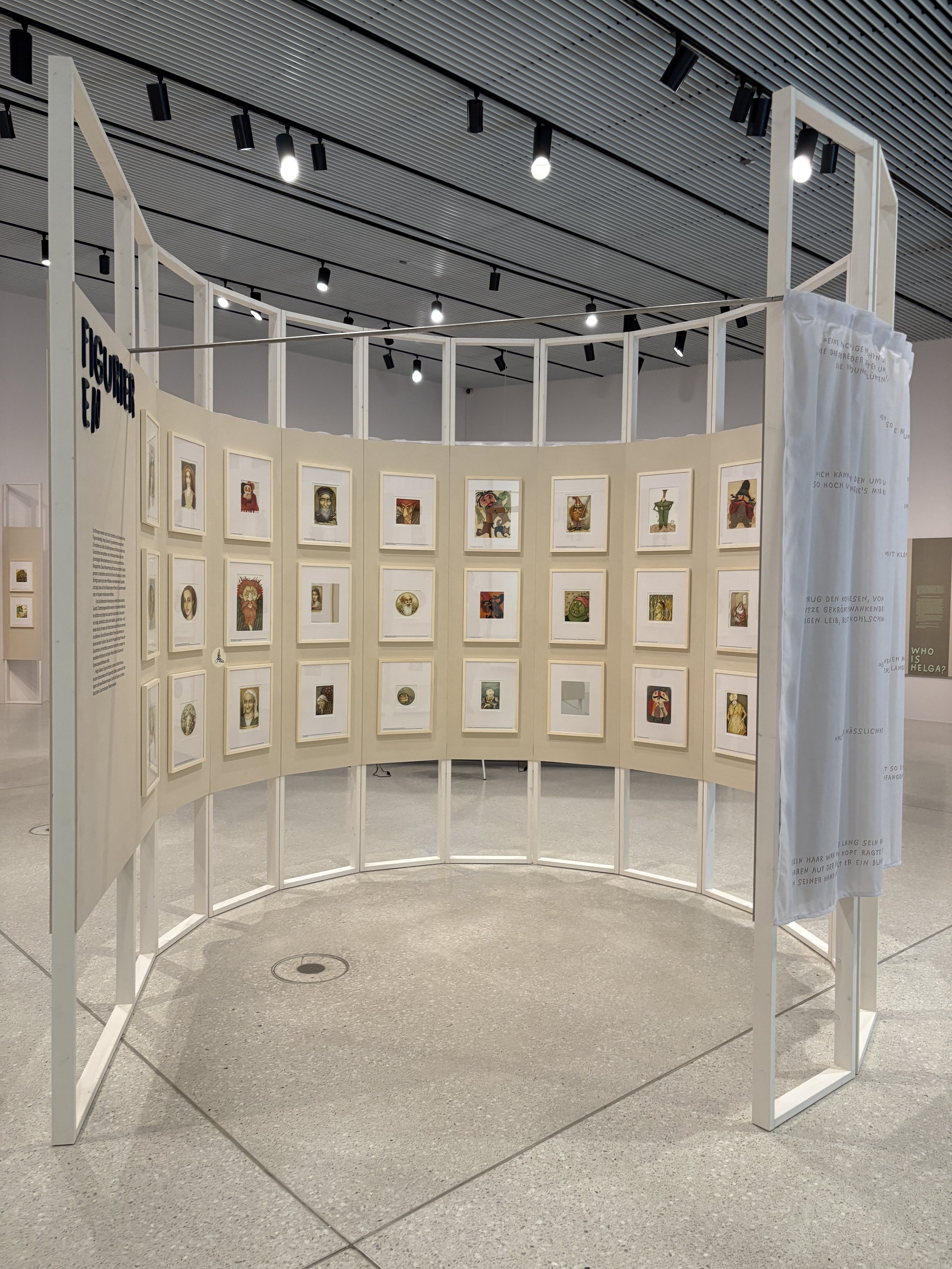
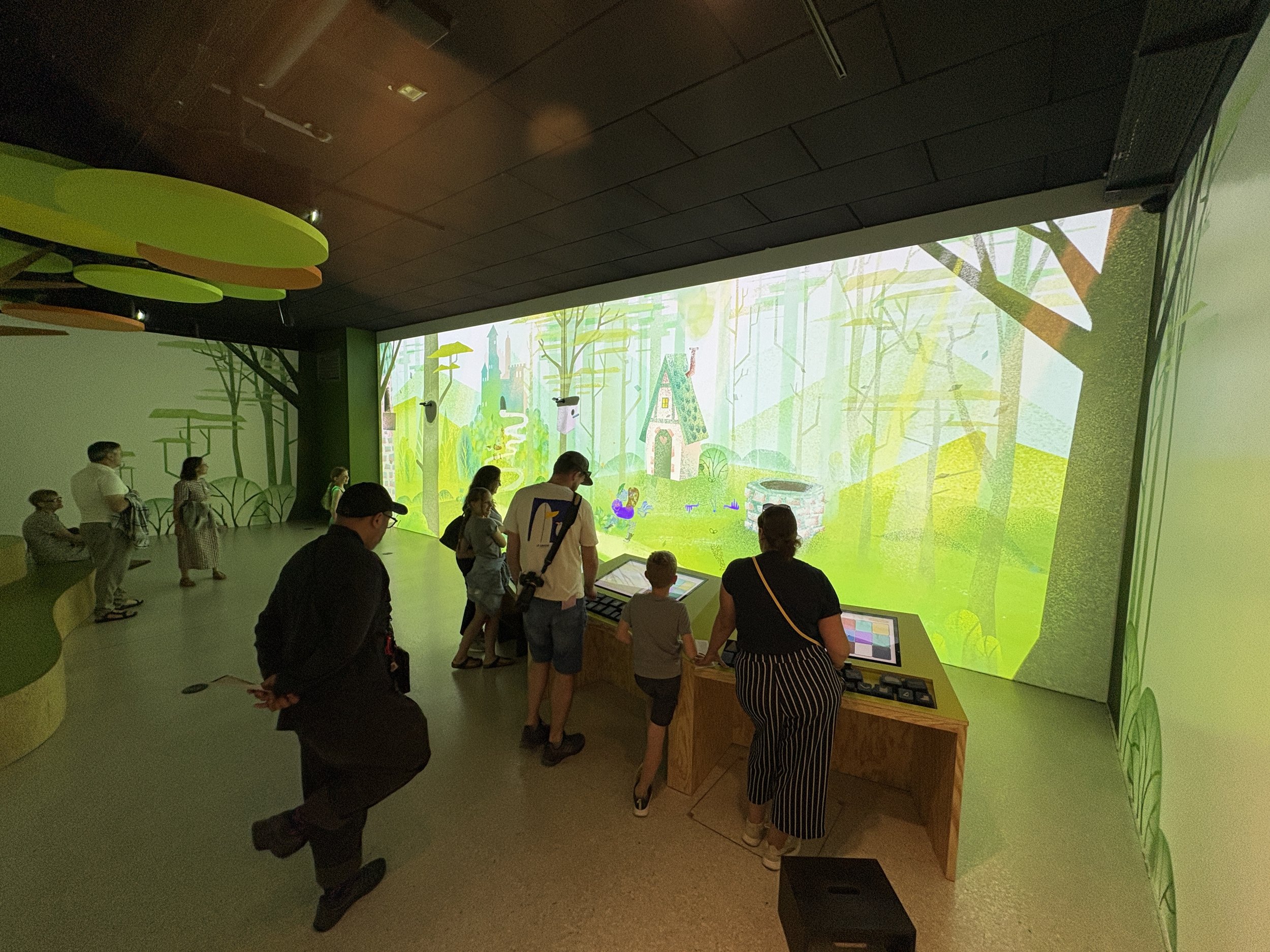
We met with colleagues from institutions such as Labyrinth Kindermuseum in Berlin, MACHmit!, ANOHA, GRIMMWELT in Kassel, and many others. We also explored creative districts, artist-run spaces, and museum programs that are helping redefine how children experience art, culture, and learning.
In the end, we decided on pursuing further explorations for a possible longer-term partnership with Labyrinth Kindermuseum, a Berlin-based children’s museum known for immersive, hands-on exhibitions that encourage learning through play, exploration, and creativity.
They are also very interested and excited to work with us for the next 4-year phase of the grant. As our next step, they will be visiting us here in the Philippines in September to see and learn more about our projects and programs, and we will also have a 2-day workshop to iron out the proposal.